Aperture
Play Aperture
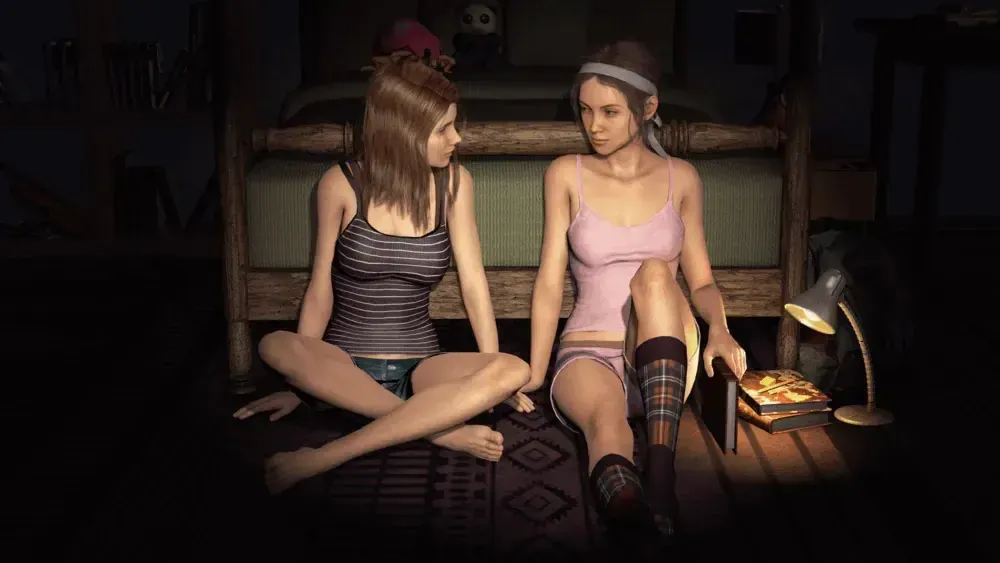
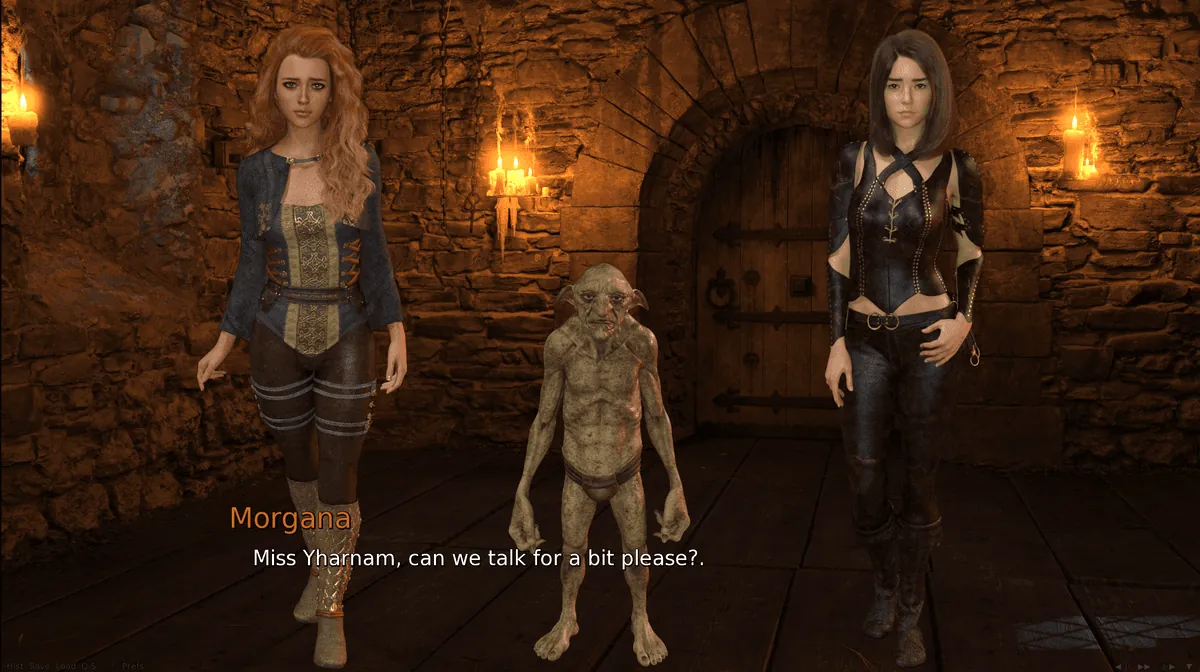
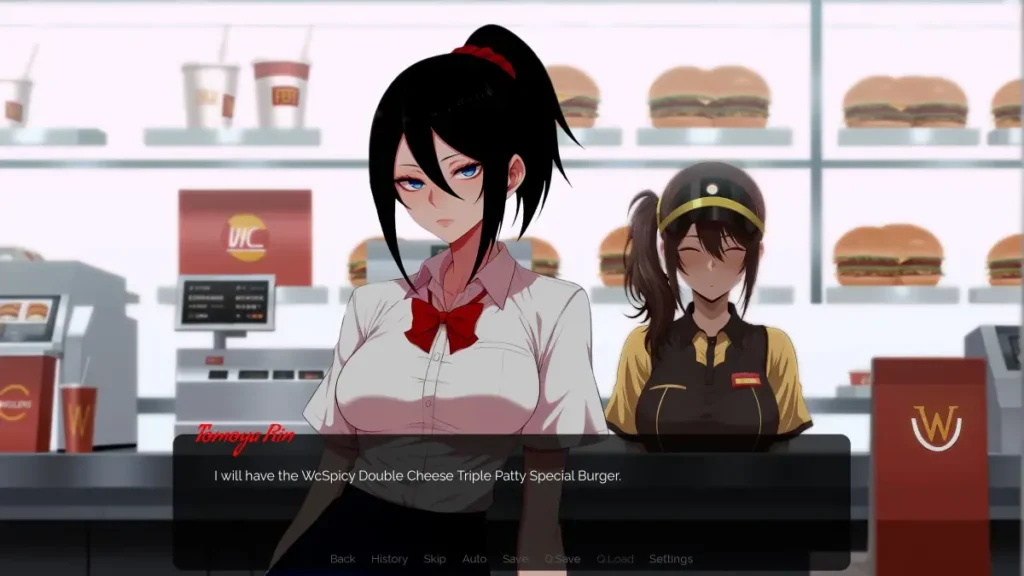
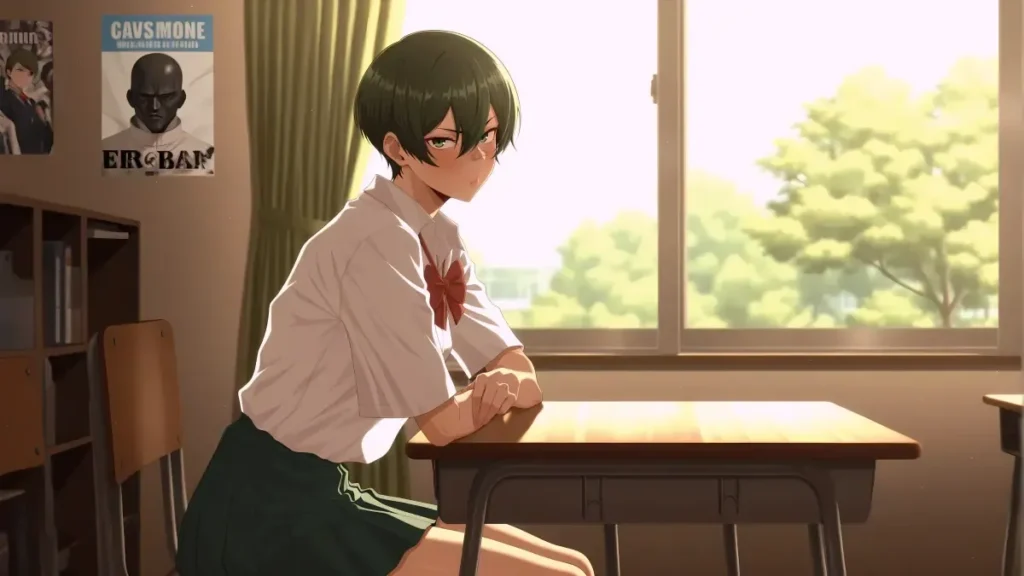
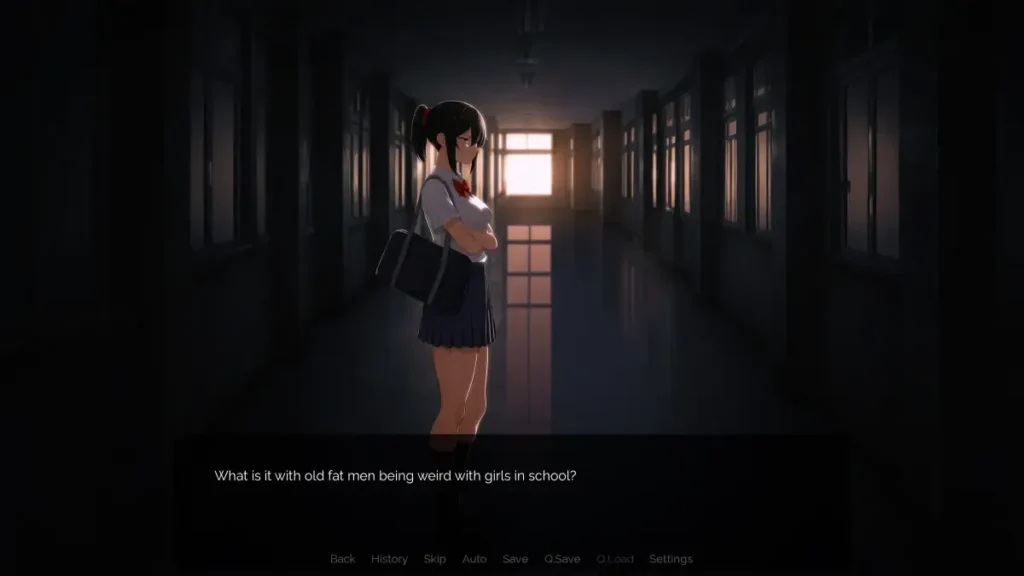
Aperture Screenshots







Aperture review
In-depth look at gameplay, features, development, and player tips for Aperture
Aperture is a distinct adult-oriented indie title that blends narrative elements, interactive mechanics, and player-choice moments to create a provocative gaming experience; this article dives directly into the game’s core systems, development background, and hands-on advice for players. Readers will find an approachable walkthrough of the main mechanics, practical setup and compatibility tips, and candid player insights drawn from firsthand play and community feedback. Whether you’re evaluating whether to play, seeking ways to optimize your experience, or looking for tactics to progress efficiently, this guide covers everything a prospective or current player needs to know.
What is Aperture? Overview and Origins
So, you’ve heard the name Aperture buzzing around indie game circles, maybe with a knowing nod or a raised eyebrow, and you’re wondering what all the fuss is about. 🤔 You’re in the right place. Let’s pull back the curtain on this intriguing title. At its heart, Aperture is a narrative-driven, adult-oriented experience that blends relationship simulation with strategic life-management. It’s not just another visual novel; it’s a nuanced, sometimes painfully relatable, slice-of-life story wrapped in engaging gameplay systems. This Aperture game overview will break down exactly what it is, where it came from, and what you need to dive in.
Game Premise and Core Loop
The Aperture premise is deceptively simple on the surface: you play as a young adult navigating the complexities of modern life, creative burnout, and tangled personal relationships after moving to a new city. The game’s title is a brilliant metaphor—an aperture is an opening that controls how much light reaches a camera’s sensor, and here, it represents your character’s perspective and emotional openness to the world and people around them. 🎭
The core gameplay loop is what makes it so sticky. Your days are divided into chunks of time, and you must constantly choose how to spend this limited resource. Will you:
* Work your day job to pay rent and avoid a game over? 💼
* Dedicate energy to your passion projects to advance your long-term goals? 🎨
* Spend time with the cast of complex characters, building friendships or romances that directly influence the story’s branches? ❤️🔥
* Simply rest to manage your stress and mental health meters?
This constant juggling act is the engine of the game. It’s engaging because every choice carries weight and consequence. Skipping work to comfort a friend might unlock a deep, poignant conversation that changes your relationship forever, but it also brings you closer to financial ruin. The game masterfully makes you feel the pressure of trying to “have it all,” which is its central, relatable conflict. The narrative tone is mature, introspective, and often melancholic, dealing with themes of artistic frustration, intimacy, loneliness, and self-discovery. The character dynamics feel authentic, with relationships that grow or fray based on your attention and dialogue choices, not just a series of checkboxes to fill.
I remember my first hour with the game vividly. After a stylish, minimalist intro, I was dropped into a sparse apartment with a blinking cursor on a blank document—my character’s supposed novel. The UI was clean, almost stark, emphasizing the isolation. The tutorial wasn’t a hand-holding list of commands; it was integrated into the story through text messages from your landlord reminding you about rent and a friend checking in. You learn the mechanics by facing the very anxieties they represent. It was immediately immersive and a little overwhelming in the best way. You don’t just play the story; you feel the weight of its quiet moments.
Development Background and Creators
The story behind the Aperture developer is a classic indie tale. The game is primarily the work of a small, dedicated team—sometimes credited as a solo developer with contributions from artists and writers. They operated far from the triple-A spotlight, driven by a desire to tell a specific, personal story that bigger studios wouldn’t touch. 🛠️
From developer notes and community updates, a clear motivation emerges: to create an adult narrative game that treats its themes and characters with genuine respect and complexity. This wasn’t about sensationalism; it was about crafting a slow-burn, emotional simulation of early adulthood’s specific struggles. The development timeline followed a quiet, early-access style rollout on platforms like Patreon or Itch.io, allowing the game to grow and evolve based on direct player feedback over several years before a more formal, polished launch.
This grassroots development process has fostered a deeply invested community. While any adult-themed content can invite discussion, Aperture has generally been received for what it aims to be: a thoughtful, story-focused experience. Its controversy, if any, lies not in shock value but in its willingness to sit with uncomfortable, quiet emotions. The community reception has been positive among its target audience, who praise its writing and the meaningful impact of player choice. For those seeking a deep, character-driven sim, this adult indie game Aperture has carved out a respected niche.
Platform Availability and Technical Requirements
Thankfully, getting into Aperture is straightforward. In terms of Aperture platform availability, the game is a PC-first experience, but it’s notably accessible. You can find it on major storefronts like Steam and Itch.io, which has been a great boon for its discoverability. While there’s no official console port, the developers have ensured support for Linux and macOS, making it a versatile option for players not on Windows. This wide Aperture platform availability is a testament to the developer’s commitment to reaching its audience wherever they are.
Now, let’s talk specs. One of the beauties of indie games like this is their accessibility. You don’t need a cutting-edge rig to enjoy it. The Aperture system requirements are mercifully modest, focusing more on emotional bandwidth than GPU power. The game features a 2D art style with beautiful, evocative character portraits and backgrounds, so it runs smoothly on most modern integrated graphics. A gamepad is fully supported, but I found the mouse-and-keyboard controls for managing menus and making selections to be perfectly intuitive. For the optimal experience, where the music and ambient sounds can fully build the atmosphere, a decent pair of headphones is my strongest recommendation.
Here’s a quick, compact breakdown of what you’ll need:
| Platform | Minimum Specs | Recommended Specs | Controller Support |
|---|---|---|---|
| Windows (Steam/Itch) | Windows 7, Dual-Core CPU, 4 GB RAM, Integrated Graphics | Windows 10, Any modern CPU, 8 GB RAM, Dedicated GPU (2015+) | Full Support (XInput) |
| Linux (Itch.io) | Modern Distro, Dual-Core CPU, 4 GB RAM, OpenGL Support | Modern Distro, Any modern CPU, 8 GB RAM | Full Support |
| macOS (Itch.io) | macOS 10.13, Intel-based Mac, 4 GB RAM | Latest macOS, Apple Silicon or Intel, 8 GB RAM | Full Support |
Pro Tip: If you’re playing on a laptop, dive into the settings menu. The developers included thoughtful options like battery-saver modes and adjustable frame caps to keep your machine cool and quiet during those long, immersive sessions. 🔋
In wrapping up this Aperture game overview, who is this game for? If you’re a player who craves meaningful narrative choices, enjoys managing limited resources in a pressure-cooker of your own making, and wants to engage with mature themes beyond sheer fantasy, Aperture will feel like a breath of fresh, if sometimes bittersweet, air. It’s a standout adult indie game Aperture because it uses its mature themes as a foundation for introspection, not just as a surface-level feature. It’s a game about connection, struggle, and the small, daily decisions that define us—perfect for anyone who believes that the most compelling stories are often the most human ones. ✨
Aperture offers a focused, choice-driven experience with systems and community resources that reward curiosity and careful play. This guide covered the game’s premise, core mechanics, progression and replay strategies, customization and modding practices, and practical troubleshooting and safety tips—along with personal anecdotes to help contextualize advice. If you’re considering playing, start with a story-first run to absorb the tone and mechanics, then follow recommended strategies for a second playthrough to uncover alternate outcomes. Try mods cautiously and always back up saves before major changes. If you enjoyed this walkthrough, consider sharing your own play experiences or asking specific questions so I can help with targeted tips or a deeper walkthrough.