Companion of Darkness
Play Companion of Darkness
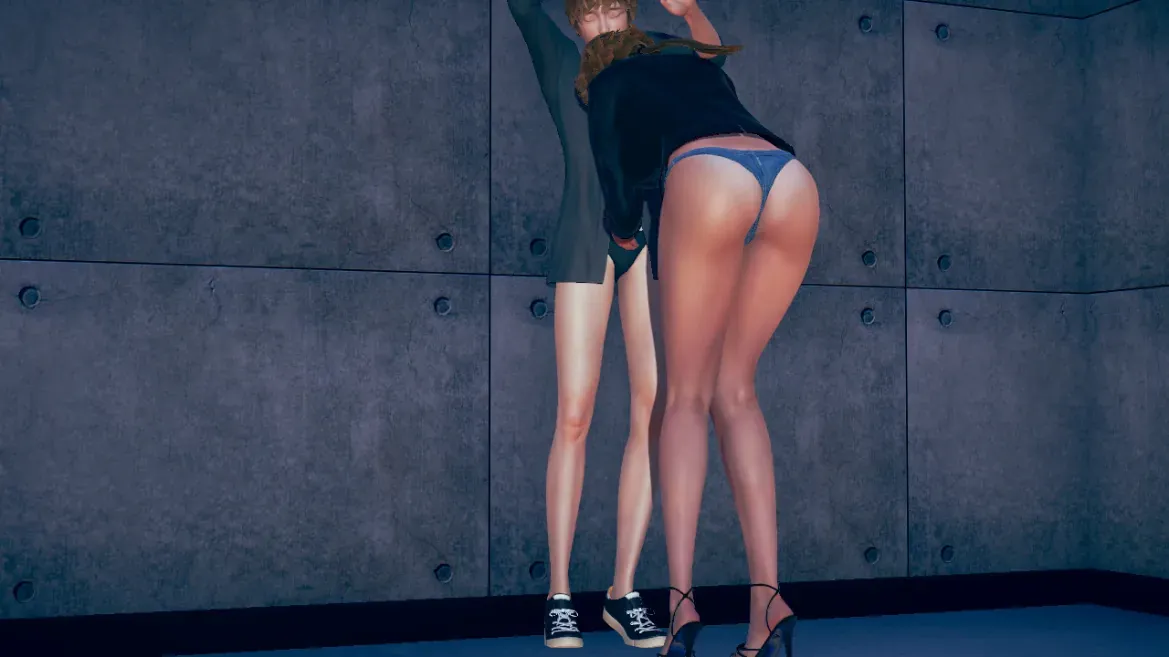
Companion of Darkness Screenshots



Companion of Darkness review
Explore the rich narrative, gameplay mechanics, and immersive experience of this interactive visual novel
Companion of Darkness stands out as a captivating interactive experience that blends compelling storytelling with engaging gameplay mechanics. This visual novel combines complex faction systems, intricate political intrigue, and character-driven narratives that keep players invested throughout their journey. Whether you’re new to the genre or a seasoned player, understanding what makes this game special can help you fully appreciate its depth and complexity. This guide explores the key features, gameplay elements, and what players can expect from this immersive interactive adventure.
Understanding Companion of Darkness: Core Features & Gameplay
So, you’ve heard the buzz about Companion of Darkness and you’re wondering what all the fuss is about. Is it just another pretty face in the visual novel crowd, or does it have the substance to back up the style? Let me tell you, from the moment I booted it up and was greeted by its hauntingly beautiful opening, I knew this was something different. This isn’t a game you just play; it’s a world you step into, a political labyrinth you navigate, and a story you genuinely author with every decision. The core of the Companion of Darkness gameplay experience is a masterful blend of intimate character drama and sweeping, consequential choice.
At its heart, this is a character-driven narrative game of the highest order. You don’t just watch a story unfold; you live it through the eyes of your protagonist, whose allegiances, morals, and very survival are in your hands. The game excels at making you feel the weight of every whispered conversation and every tactical alliance. If you’re tired of stories where your choices feel cosmetic, prepare to be enthralled. Here, the narrative branches are not just paths; they are entirely different landscapes, shaped by a deep faction system gameplay and the unforgettable player choice consequences that follow you to the very end.
What Makes Companion of Darkness Stand Out
Forget everything you think you know about linear storytelling. 📚 What sets Companion of Darkness apart is its fearless commitment to interactive visual novel mechanics that have real teeth. This isn’t a “choose your own adventure” book with a few endings; it’s a dynamic, living political thriller where every dialogue option and action ripples outwards. The game presents you with a fractured fantasy realm on the brink of war, filled with ancient houses, secret societies, and mysterious powers vying for control.
Your role is to navigate this deadly social chessboard. The genius lies in how systems interconnect. Your relationship with a key character doesn’t just unlock new dialogue—it can grant you access to restricted areas, reveal hidden faction agendas, or even turn a potential enemy into a deadly ally (or a tragic casualty). The Companion of Darkness gameplay loop is a captivating cycle of investigation, conversation, and tense decision-making, all wrapped in a package that is as gorgeous as it is grim.
To break it down, here are the key pillars that form the foundation of this experience:
- The Faction Web: You’re not just picking a side. You’re constantly managing your reputation with multiple, often opposing, groups. Helping one can anger another, closing off entire story threads while opening new, dangerous ones.
- True Narrative Branching: Major decisions act as “branch points,” diverting the story onto wildly different trajectories. I played through a mid-game crisis three times, and each path led to a unique set of characters, locations, and central conflicts.
- Character Relationship Depth: Every major character has their own loyalty meter, secret motives, and personal quests. Investing time in them isn’t just for lore; it’s a strategic resource that pays off in crucial moments.
- The Consequence Engine: The game has a long memory. A seemingly minor choice in Chapter 2 can resurface dramatically in Chapter 6, creating powerful “I caused that” moments that are the hallmark of great roleplaying.
🎯 Pro Tip: Don’t try to please everyone on your first playthrough. It’s impossible. Embrace your role-play and lean into the alliances that feel right for your character. The most rewarding stories come from committed, flawed choices, not from meta-gaming for a “perfect” outcome.
Interactive Storytelling and Player Choice
This is where Companion of Darkness truly shines and earns its title as a premier interactive visual novel. The standard “visual novel” format is supercharged with complex game systems that make your agency feel authentic. The player choice consequences are never telegraphed with a glowing “This will be important later” sign. Instead, they feel organic, emerging naturally from the political and personal landscape you’ve helped shape.
Let’s talk about the faction system gameplay. Early on, you’re introduced to three major powers: the stalwart Royal Legion, the shadowy Veiled Pact, and the mystical Arcanum Sages. Juggling these relationships is the core strategic layer. For instance, choosing to use the Legion’s military might to solve a problem might earn you their favor and a powerful ally, but it will simultaneously mark you as a brutish thug in the eyes of the subtle, diplomatic Sages, potentially locking you out of their unique magical solutions later. There’s no “best” faction—only the one that aligns with your evolving story.
To illustrate how deep the branching goes, let me share a personal case study from my playthrough:
The Example: The Blacksmith’s Daughter
Early in the game, I encountered a dispute in a village. A blacksmith’s daughter was accused of stealing from the Royal Legion’s supplies. The Legion captain demanded harsh punishment. The Veiled Pact agent suggested a quiet “disappearance” to avoid scandal. The Sages offered to examine her for magical influence.
- My Choice A (First Playthrough): I used my growing clout with the Sages to investigate, proving she was magically coerced by a third party. This saved her, earned Sage favor, but made the Legion look foolish and hostile.
- Consequence: Five chapters later, when I needed the Legion’s army to defend a key location, the captain “remembered” the incident and delayed his troops, resulting in the loss of a beloved NPC ally. The player choice consequences were devastating and personal.
- My Choice B (Second Playthrough): I sided with the Legion’s swift justice to cement their trust.
- Consequence: The daughter was imprisoned. Later, her father, the blacksmith, refused to repair my gear during a critical mission. Furthermore, the true manipulator (the third party) went undiscovered, leading to a much larger security breach down the line.
This one mid-level decision altered character availability, faction standing, future mission difficulty, and the overall moral tone of my story. This density of cause-and-effect is what defines the Companion of Darkness gameplay. It creates an immersive storytelling experience that feels uniquely yours, encouraging immediate replays just to see where the other paths lead.
Visual Design and Immersive Animations
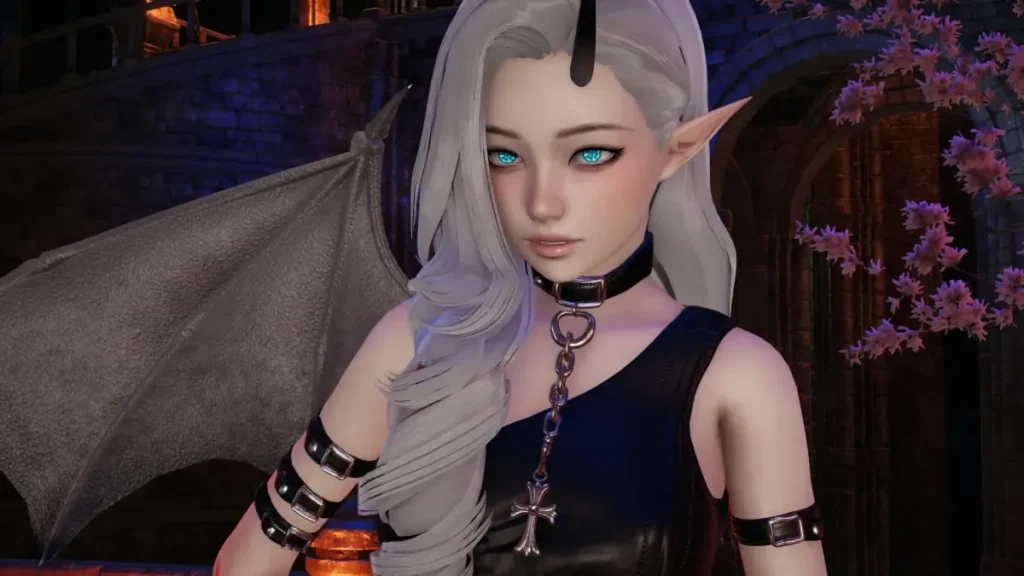
A story this rich deserves a stunning presentation, and Companion of Darkness delivers in spades. 🖼️✨ Calling it a “visual novel” almost undersells the cinematic quality of its presentation. The visual novel animation quality is exceptional, moving far beyond static character sprites and simple mouth flaps. We’re talking about subtle, lifelike animations that breathe incredible soul into every scene.
Character expressions are a particular highlight. A noble’s smirk isn’t just a drawn image; you’ll see the slight crinkling around their eyes, the arrogant tilt of the head. During tense moments, you can see a character’s hands tremble slightly or their posture stiffen. These micro-animations add a layer of subtext to every conversation, allowing you to read between the lines of the dialogue. When combined with the superb voice acting (which is consistently emotional and nuanced), the characters feel alarmingly real.
The environments are equally impressive. Backgrounds are lush, detailed paintings that often feature subtle animated elements—flickering torchlight, falling snow, leaves drifting on a breeze. This attention to detail is crucial for building the game’s atmosphere. The oppressive gloom of a fortress feels tangible, while the ethereal beauty of a magical grove is genuinely transportive.
| Visual Element | Contribution to Immersion |
|---|---|
| Dynamic Character CGs | Key story moments are captured in beautifully rendered, unique artwork that changes based on your choices and character states (e.g., a character appears in a CG wounded if they were hurt in your story path). |
| Cinematic Camera Work | Scenes use panning, zooming, and focused shots to direct your attention and create a movie-like flow, especially during dramatic revelations or action sequences. |
| Atmospheric Lighting & Effects | The use of light, shadow, and particle effects (magic sparks, dust motes, rain) deeply establishes the mood, making peaceful scenes serene and dangerous scenes unnerving. |
This high visual novel animation quality does more than just look pretty; it directly supports the narrative. The pain in a character’s eyes sells the emotional weight of your difficult decision. The grandeur of a faction’s hall communicates their power before a single word is spoken. It’s a total package that fully commits to its immersive storytelling experience.
What to Expect: Pacing, Length & Replay Value
Given the depth of choice, you might wonder about the time commitment. A single, thorough playthrough of Companion of Darkness will take most players around 18-22 hours. The pacing is deliberate—it allows time for character development, political maneuvering, and the tension to build. It’s not a rushed experience; it’s one to savor.
However, the true length is multiplied by its phenomenal replay value. 🔄 My first playthrough was as a pragmatic ally to the Sages. My second was as a ruthless power-seeker embedded in the Veiled Pact. The overlap in core events was surprisingly small—maybe 40%. New scenes, different perspectives on key events, and completely unique character arcs awaited me. The game actively rewards revisiting, with the interface even tracking the major branch points you’ve discovered, teasing the paths you have yet to walk.
In conclusion, Companion of Darkness is a landmark title that pushes the boundaries of what a character-driven narrative game can be. It couples a sophisticated, reactive narrative with a tangible faction system gameplay and wraps it all in a visual and auditory presentation that is nothing short of breathtaking. Its understanding of player choice consequences is unparalleled, creating a powerful feedback loop where you are constantly witnessing the impact of your will on its world. For anyone seeking a deep, emotionally resonant, and truly interactive story, this isn’t just a game to play; it’s a world to inhabit, shape, and inevitably, mourn when your final choice is made. Your companion in the darkness awaits your guidance. Will you lead them to salvation, power, or ruin? The story, gloriously, is yours to tell.
Companion of Darkness delivers a rich interactive experience that appeals to players seeking meaningful narrative choices and complex character relationships. The combination of engaging storytelling, intricate faction systems, and high-quality visual presentation creates an immersive adventure that rewards exploration and multiple playthroughs. Whether you’re drawn to political intrigue, character-driven narratives, or the freedom to shape your own story, this game offers substantial content and replay value. For those interested in visual novels with depth and consequence, Companion of Darkness represents a compelling choice that demonstrates the potential of interactive storytelling. Start your journey today and discover how your choices shape the world around you.