Eternum
Play Eternum
Eternum Screenshots




















Eternum review
Explore the mystery dating sim experience with character paths, decisions, and narrative depth
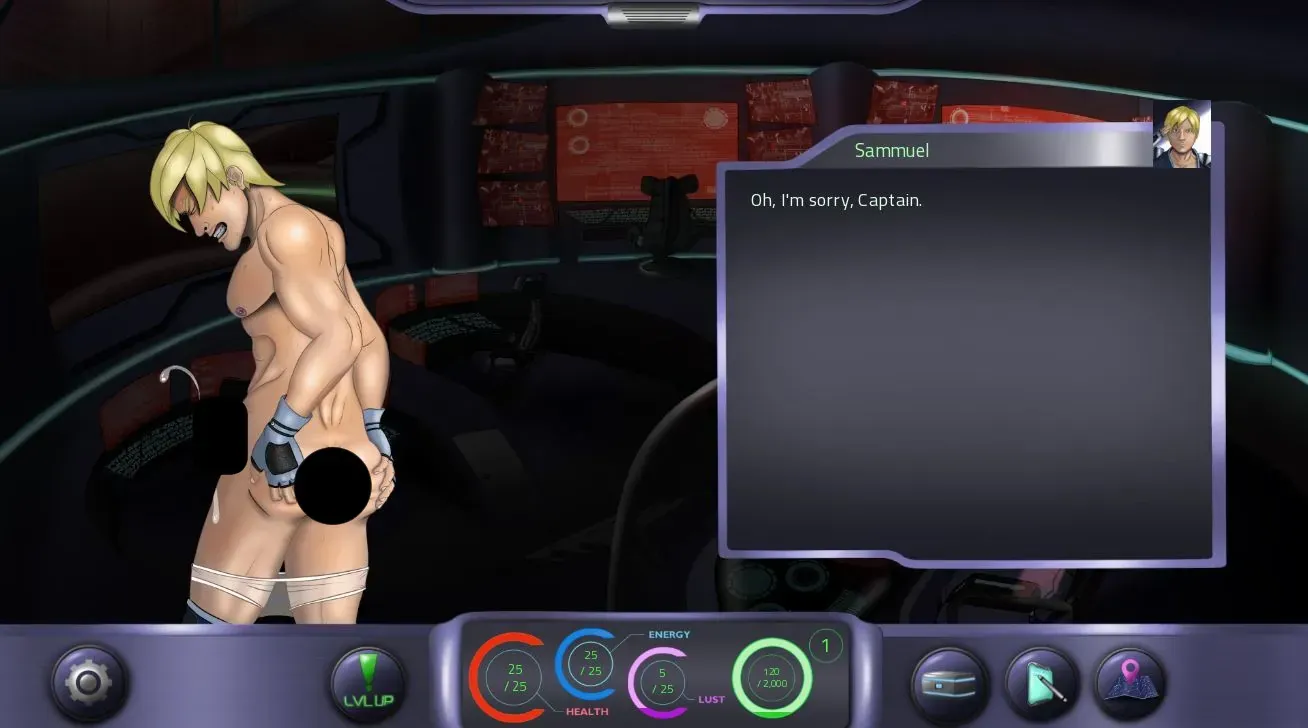
Eternum stands as a distinctive episodic mystery dating simulation developed by solo creator Caribdis Games using Ren’Py engine. This interactive narrative experience combines relationship-building mechanics with an intricate storyline that unfolds across multiple chapters. Players navigate a complex world where their choices directly impact character relationships, story progression, and available endings. Whether you’re interested in understanding the game’s core mechanics, exploring character dynamics, or discovering optimal gameplay strategies, this guide provides essential insights into what makes Eternum a compelling interactive experience. The game’s branching narrative system ensures that each playthrough can differ significantly based on player decisions and relationship priorities.
Understanding Eternum’s Core Gameplay Mechanics
How Affection Points Shape Your Story
Let me tell you a secret about my first Eternum playthrough: I was absolutely clueless. I walked into this world thinking I could just charm everyone with witty banter and call it a day. Big mistake. By Chapter 4, I had a character questioning why I was even there, and another one giving me the cold shoulder during what should have been a romantic scene. That’s when I realized this game operates on a beautiful, merciless logic—and the currency of that logic is affection points.
The Eternum affection points system is the beating heart of this game. Every interaction you have with the cast feeds into a hidden tally that determines how characters perceive you. Think of it like a friendship bracelet you’re weaving in real-time, except each choice you make decides whether you’re adding a bead or snipping a thread. When you respond with kindness, share a laugh, or defend someone in a tense moment, your affection score with that character climbs. Ignore them, mock them, or act selfishly, and that score drops.
What makes this dating sim relationship mechanics framework so compelling is its transparency. The game isn’t trying to trick you. You’ll see subtle indicators—a character’s expression shifting, a change in dialogue tone, or even an explicit pop-up confirming a bond has strengthened. But here’s the catch: you only get glimpses of their true feelings. The full picture takes shape over hours of play.
Affection isn’t just a number. It’s a key. Unlock enough points with a specific character, and you’ll open exclusive scenes that reveal their personality, backstory, and vulnerabilities. These aren’t throwaway moments either. They’re crafted with care, offering dialogue options that deepen your connection even further. Miss the threshold, and those scenes stay locked, leaving you with a more distant, generic experience.
So let’s talk numbers—loosely. The game doesn’t display exact scores, but based on community research and my own obsessive note-taking, you generally need to accumulate a certain amount of affection per chapter to progress a relationship meaningfully. Early chapters are more forgiving, giving you room to experiment. But by the midpoint, your standing with each character becomes rigid. Late-game romance routes are gated entirely by your cumulative affection across the entire story.
Pro tip from someone who learned the hard way: If you’re aiming for a specific character’s path, prioritize their scenes above all others. Splitting your affection evenly might feel fair, but it often leads to being “good friends” with everyone instead of a romantic interest with anyone.
The genius of this system is how it mirrors real relationships. You can’t simply say the right thing once and expect devotion. Consistency matters. If you’re warm in Chapter 2 but cold in Chapter 5, don’t expect forgiveness. The game remembers. And that memory is what makes the Eternum affection points system feel alive rather than mechanical.
Navigating Paths and Relationship Systems
Now that you understand the currency, let’s talk about what you’re actually spending it on. Eternum offers a web of character paths that branch and interweave based on your decisions. This isn’t a simple A-or-B choice. It’s more like a constellation where each star represents a potential romantic outcome, and your job is to navigate toward the one that calls to you.
The first major fork in the road comes when you decide whether to pursue a single love interest or embrace the chaos of multiple relationships. For solo path players, the game rewards focus. Every scene you share with your chosen character deepens your bond, and the visual novel branching narrative ensures that earlier choices echo into later chapters. A small kindness in Chapter 3 might unlock a heartfelt conversation in Chapter 8. A careless remark might close that door forever.
For the brave souls considering an Eternum harem path playthrough, be warned: this route requires precision. Balancing multiple sets of affection points is like juggling glass vases. One wrong move and everything shatters. The game is generous enough to allow multiple romantic threads, but it’s also honest about the complications. Jealousy, tension, and forced choices arise. You’ll face moments where you must pick sides, and no option exists to “stay neutral.”
Below is a quick reference to help you understand the primary love interests and what they demand from you as a player.
| Character | Personality Trait | Relationship Difficulty | Unique Story Element |
|---|---|---|---|
| Annie | Warm and protective | Moderate | Family secrets subplot |
| Mia | Cheerful yet mysterious | Easy | Hidden past revelations |
| Nova | Intellectual and reserved | Hard | Scientific discovery arc |
| Dalila | Confident and playful | Moderate | Competitive rivalry dynamic |
| Penelope | Shy but observant | Hard | Memory loss mystery |
Notice the difficulty column. That’s not just flavor text. Easier routes like Mia’s give you more forgiveness for mistakes, and her scenes are spaced frequently enough that you can recover from missed opportunities. Harder routes like Nova’s demand near-perfect consistency. One wrong dialogue choice can set you back several chapters.
The Eternum character paths guide community has mapped out these routes extensively, and one pattern is clear: every path has key inflection points. These are moments where the visual novel branching narrative forces a significant fork. In one path, you might decide to trust a character’s secret. In another, you might push them away. The game saves these decisions, and they surface again later, often in unexpected ways.
The harem path adds another layer. To maintain multiple relationships, you need to hit affection milestones with each character without exceeding the threshold that triggers an exclusive commitment scene. It’s a delicate balancing act, but for players who want to experience every character’s arc in a single run, it’s the holy grail. Just know that the game doesn’t hold your hand. There’s no “harem mode” toggle. You earn it through careful, deliberate play.
Making Meaningful Choices That Matter
When people ask me how Eternum differs from other games in the genre, I always point to the decision system. This isn’t a game where choices are cosmetic. The Eternum decision consequences cascade through the entire experience, reshaping relationships, unlocking or locking character paths, and even altering the final act of the story.
Every choice you make falls into one of three categories: dialogue responses, action decisions, and silent judgments. Dialogue responses are the most common. You’re presented with two to four options, and each one pushes a character’s affection in a different direction. Action decisions are bigger. They involve choosing who to spend time with, which mystery to investigate, or how to resolve a conflict. Silent judgments are the trickiest. These happen during cutscenes where the game asks you to interpret a character’s action without prompting. Your mental reaction is recorded, even if you never speak it aloud.
Let me give you a concrete example from my playthrough. In Chapter 6, I had a chance to investigate a strange noise coming from a locked room. I could go alone, take Annie with me, or ignore it entirely. Going alone led to a tense scene that revealed a clue about the game’s central mystery. Taking Annie deepened our bond but removed the solitary discovery. Ignoring it meant missing the clue entirely, which affected my understanding of later events. No single choice was wrong, but each one redirected the flow of my story.
This is where how to build relationships Eternum becomes a practical skill. You can’t just pick the option that sounds nicest. You have to consider what each character values. Annie respects courage and protectiveness. Mia responds to curiosity and playfulness. Nova hates flattery but loves intellectual challenge. If you treat every character the same, you’ll fail to connect with any of them deeply.
To help you avoid my early mistakes, here is a step-by-step approach for your first playthrough.
-
Pick your priority character by Chapter 2. Get a feel for each personality through early interactions, then commit. Trying to charm everyone equally will leave you locked out of deeper content.
-
Save often and use different save slots. Before major decisions, create a separate save. This lets you backtrack if a choice leads to unexpected Eternum decision consequences you don’t want.
-
Focus on scenes that feature your priority character. When the game offers you a free choice of who to spend time with, always choose your target. Missed scenes are gone forever.
-
Read between the lines. Characters don’t always say what they mean. Pay attention to body language, pauses, and environmental cues. The game rewards attentive players.
-
Don’t be afraid to fail. Your first playthrough is a learning experience. The visual novel branching narrative is designed for replay. You’ll see new content on every run.
-
Track your affection informally. Since the game doesn’t show exact numbers, keep mental notes of who seems warm and who feels distant. Use character reactions as your guide.
-
For the harem path, spread affection evenly but carefully. Revisit each character in turn, and avoid making exclusive promises until you’re ready to commit to one ending.
The beauty of Eternum is that no two playthroughs are identical. The Eternum decision consequences ensure that your story feels personally crafted. When you reach the final chapter and see how your choices have shaped the world and its characters, you’ll feel a genuine sense of ownership. That’s not something many games can offer.
So take a deep breath, trust your instincts, and remember that even the best players stumble. The dating sim relationship mechanics here are forgiving enough to let you recover but strict enough to make every victory satisfying. Now go out there and start building those bonds. Your love interests are waiting.
Eternum delivers a rich interactive experience that rewards player engagement and thoughtful decision-making. The game’s sophisticated affection system, diverse character paths, and branching narrative structure create meaningful replay value as different choices lead to distinct story outcomes. Whether pursuing individual character relationships or embracing the harem path, players discover that their decisions genuinely shape the narrative experience. The episodic structure ensures ongoing development and evolving storylines that respond to player choices made in previous chapters. Understanding these core mechanics transforms Eternum from a casual experience into a deeply engaging interactive narrative where your choices truly matter. Start your journey today and discover how your decisions shape the unfolding mystery.