Man of the House Screenshots





Man of the House review
Honest look, practical tips, and personal insights on the Man of the House adult game
Man of the House is an adult visual game that blends life simulation, relationship building, and story-driven scenes into one experience. Many players first hear about Man of the House through screenshots and walkthroughs and want to know what makes it stand out, how the daily routine works, and how to unlock its most interesting content without getting stuck. In this article, I’ll walk you through the core structure of the game, share personal observations from actual play sessions, and give you practical, spoiler-light tips to enjoy Man of the House at your own pace.
What Is Man of the House and How Does It Play?
So, you’ve heard the name and you’re curious. What exactly is Man of the House game, and what’s the deal with its gameplay? 🎮 At its heart, Man of the House is a story-driven adult life simulation blended with visual novel elements. Think of it less as a traditional “game” with levels to beat and more as an interactive story where your choices, your schedule, and your patience shape the narrative. It’s primarily aimed at players who love character-driven tales, meaningful choices with consequences, and the slow, rewarding burn of unlocking multiple story paths in a modern, relatable setting.
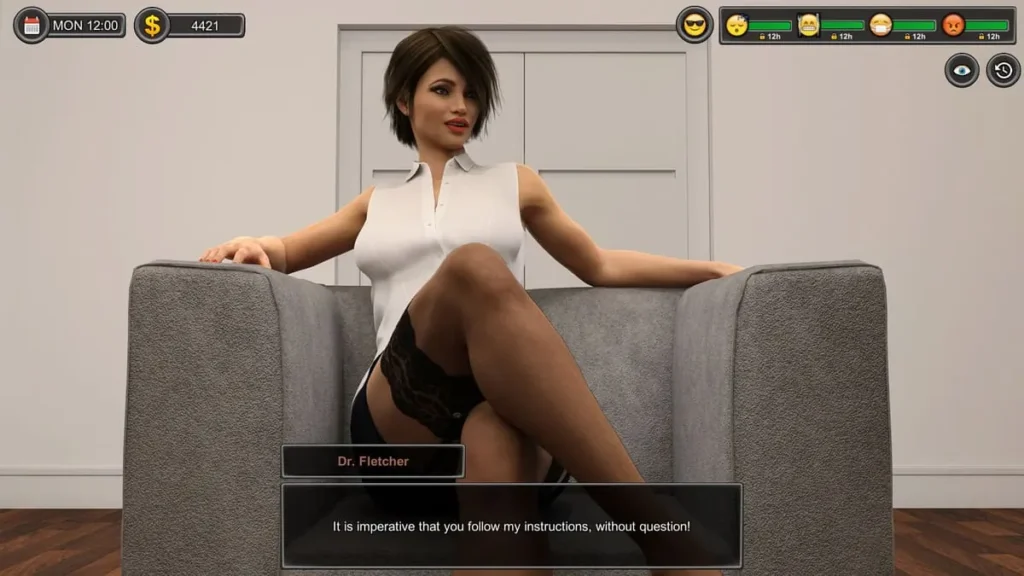
You step into the shoes of a young man who finds himself living in a shared household. Your new home is a bustling hub of activity, filled with a cast of distinct female characters, each with her own personality, backstory, and daily life. The core Man of the House gameplay loop revolves around you navigating this space, building relationships, managing your time and resources, and gradually unlocking deeper, more intimate story events through repeated, thoughtful interaction. It’s a digital slice of life, with all the drama, humor, and connection that entails.
What kind of game is Man of the House?
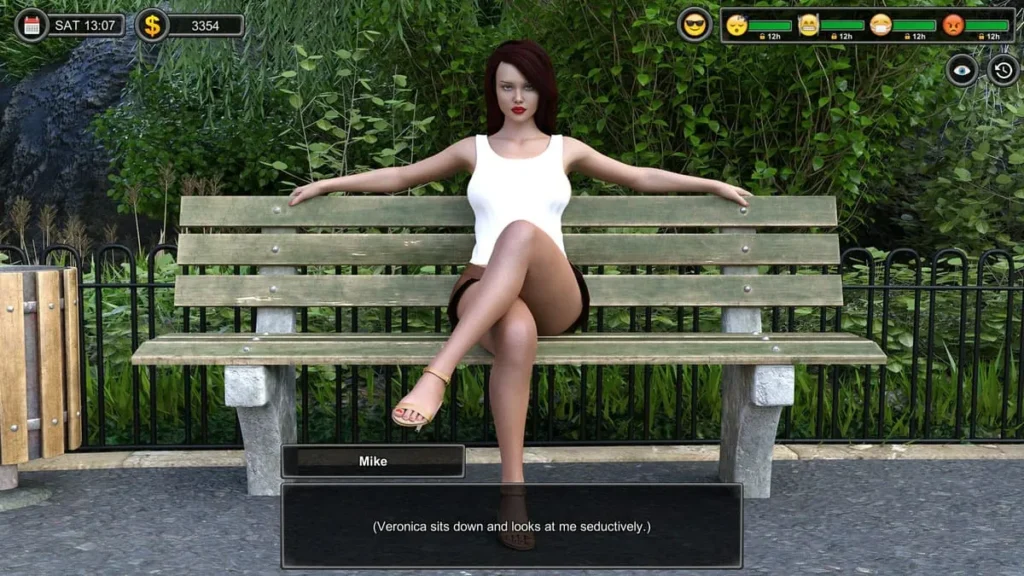
Let’s break down the format. Man of the House is a point-and-click adventure set in a modern urban environment. You’ll navigate between detailed locations: the various rooms of your shared house, city spots like the park or café, the gym, different shops, and workplaces. The core interaction is simple: click a location, see who’s there, and initiate a conversation.
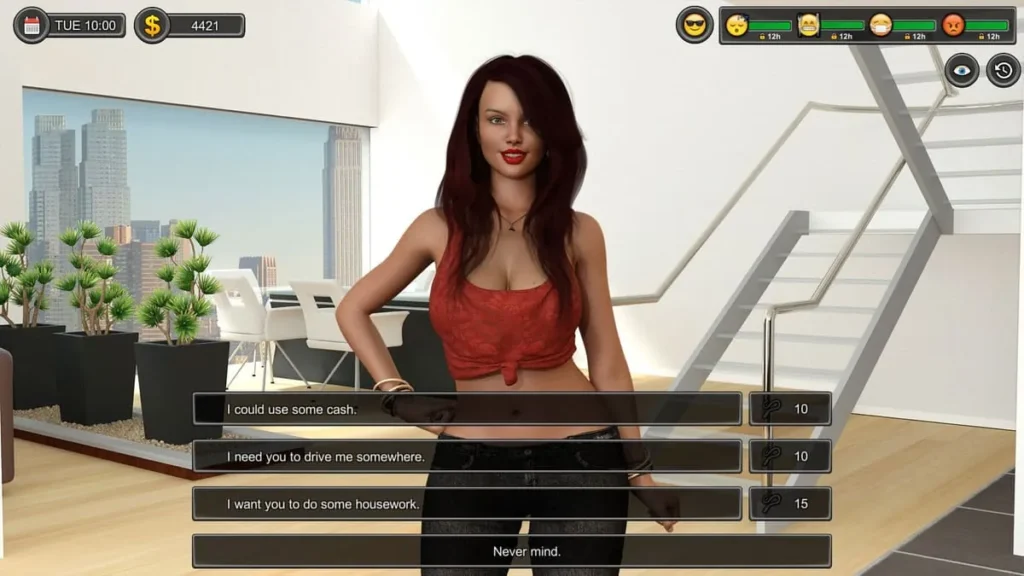
This is where the “visual novel” DNA shines. 🤔 Dialogue trees present you with choices that can affect a character’s mood, your relationship level with them, and the direction of their personal storyline. There’s no combat or reflex-testing challenges here; the “challenge” comes from understanding the characters and the game’s systems.
The key to progress is repetition and observation. You won’t unlock a character’s most significant scenes on day one. Instead, you need to consistently interact with them, make choices they appreciate, and improve your own character’s stats to meet the hidden requirements for new events. Each female character in the household—and around town—has her own independent path. Pursuing one doesn’t lock you out of others (usually!), allowing for a lot of experimentation and replayability. This design makes Man of the House a quintessential adult visual game focused on exploration, discovery, and narrative payoff.
How does the daily routine and time system work?
This is the engine that makes the Man of the House game tick, and understanding it is crucial. The game operates on a structured time system that governs everything. Each in-game day is divided into blocks: typically Morning, Afternoon, Evening, and Night.
Think of these time blocks as your action points. You can usually visit one location per block. Maybe you hit the gym in the morning to boost your physique stat, work your part-time job in the afternoon to earn crucial cash 💵, and spend the evening in the living room chatting with a housemate. Certain events, conversations, and story beats are only available during specific time blocks and at specific locations. Miss the window, and that opportunity is gone for the day—but don’t worry, the world resets the next morning, letting you try again.
This Man of the House time system is what transforms the game from a simple click-through into a engaging puzzle. It encourages careful planning and experimentation. You might hear that a character likes to study in her room on weekday evenings, or that another visits the mall on Saturday afternoons. Figuring out these patterns is a big part of the fun.
Alongside time, you manage the protagonist’s core stats. These often include:
* Physical Fitness (increased at the gym)
* Charisma or Intelligence (increased through various activities)
* Income (from different jobs)
* Relationship Meters (a separate, hidden value for each character)
Progress in Man of the House is gated behind these stats. That advanced scene with the aspiring artist? It might require you to have a certain level of intelligence and have helped her with a project three times previously. This creates a satisfying daily routine of self-improvement and social interaction.
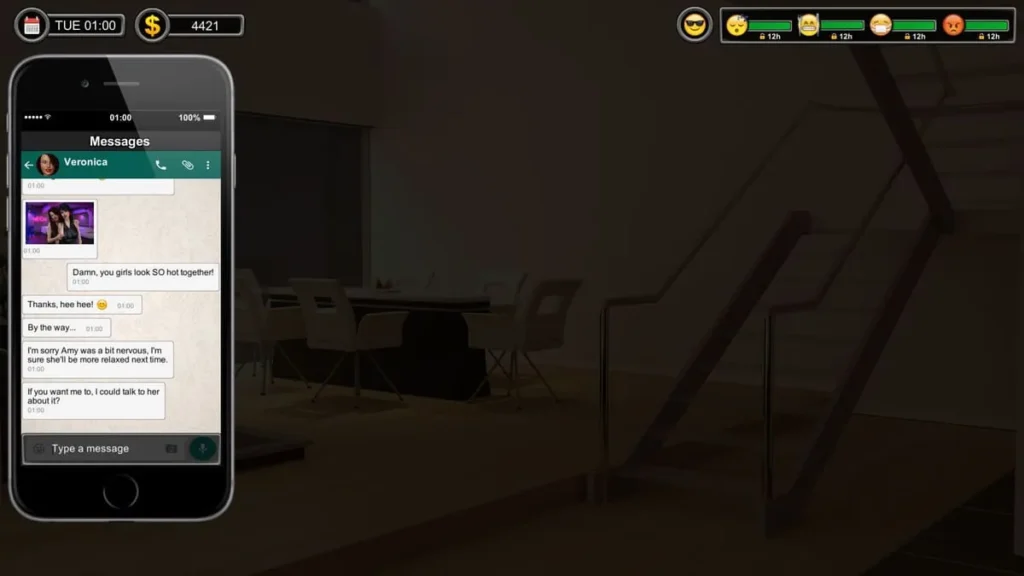
When you first start playing, this loop can feel a bit aimless. You’re just clicking around, talking to people, and going to work. But soon, you’ll get a hint on your in-game phone 📱, notice a new dialogue option, or finally see a character in a location you’ve never found them in before. That’s the magic moment when the daily grind reveals itself as a carefully crafted path to progression.
Practical Tip: Keep a simple notepad file open while you play. Jot down where and when you find key characters. A note like “Anna – Kitchen, Weekday Mornings” will save you hours of random searching later!
To summarize, the core Man of the House gameplay rests on four pillars:
* Exploration: Clicking through the game’s locations to find characters and hidden events.
* Time Management: Strategically using your daily time blocks to be in the right place at the right time.
* Stat Building: Improving your character’s attributes to unlock new story possibilities.
* Relationship Events: Making consistent, correct choices to deepen bonds and trigger narrative scenes.
Here’s a quick look at how a player’s priorities might shift across a typical in-game week:
| Time Block | Monday Focus | Saturday Focus |
|---|---|---|
| Morning | Gym (Build Physique) | Park (Find a specific character) |
| Afternoon | Office Job (Earn Money) | Mall (Social event trigger) |
| Evening | Living Room (Chat with Housemate) | Bar (Unlock new location) |
| Night | Study (Build Intelligence) | Home (Special night event check) |
Why do players get hooked on Man of the House?
The initial “how does Man of the House work” question gives way to a deeper addiction: the thrill of incremental progress and discovery. 🧩 Players don’t just get hooked on the adult content; they get hooked on the process. There’s a powerful sense of achievement in finally raising a stat high enough, or in piecing together the exact sequence of actions needed to trigger a scene that’s been teased for in-game weeks.
It’s about collecting—not just gallery images, but moments and completed story arcs. Each character’s path is like a mini-novel you’re slowly unraveling. You invest time in learning what makes them tick, helping them with their problems, and sharing moments. When you finally meet all the hidden requirements—the right relationship level, the right stat, the right time and place—and that long-awaited scene begins, the payoff is immense. It feels earned, not handed to you. This is the genius of the Man of the House design; it makes you work for the narrative rewards, which makes them so much sweeter.
Let me share a personal “aha!” moment that cemented this for me. I was stuck on a storyline with one character for what felt like forever. I knew an important event happened in her room in the evening, but every time I went, nothing. I assumed my stats weren’t high enough, so I grinded at the gym and work for days. Still nothing! 😤
Frustrated, I decided to just shadow her for a full day, clicking on her wherever she went. That’s when I noticed something I’d missed: on Tuesday evenings, she went to the kitchen first to make a snack, then went to her room by the late evening. I had been checking her room in the early evening block. The next Tuesday, I adjusted my schedule. I did my own thing in the early evening, then clicked on her room in the late night block. The scene triggered immediately. The solution wasn’t just stats—it was paying meticulous attention to the daily routine. That moment of success, of finally solving the puzzle, was far more rewarding than any scene itself. It transformed the gameplay from repetitive to deeply engaging.
A Sneak Peek at a Strategic Day:
So what does this look like in practice? Here’s a snapshot of a focused day from my own playthrough, aiming to advance a specific relationship:
* Morning: Head straight to the home gym. My strength stat is close to the threshold needed for a future event with the athletic housemate. A few more sessions should do it. 💪
* Afternoon: Work the higher-paying bartender job. I’m saving up for an expensive gift that I know will give a major boost to another character’s relationship meter. The daily routine of work has a clear, rewarding purpose.
* Evening: Check the living room. The shy student is usually here studying on Wednesdays. I choose dialogue options that show interest in her major, slowly boosting our connection. I also keep an eye on my in-game phone for any new text hints.
* Night: Review my notes. I see that the artist character has a weekend event coming up that requires high intelligence. I spend the night reading at the library to inch that stat upward.
This constant juggling of short-term actions with long-term goals is the addictive core of the Man of the House gameplay. It’s a game about patience, observation, and strategy. You’re not just playing a story; you’re actively assembling it piece by piece, schedule by schedule, choice by choice. And that, more than anything, is what makes this adult visual game such a compelling and unique experience.
Man of the House combines a familiar visual novel style with a surprisingly engaging routine of planning your days, building stats, and slowly deepening relationships. Once you understand how the time slots, locations, and requirements fit together, the game shifts from confusing to rewarding, and each new scene feels like a payoff for your planning. If you’re curious about story-focused adult games with branching paths and plenty of room to experiment, Man of the House is worth exploring. Start slow, pay attention to hints and schedules, and let yourself enjoy the gradual discovery instead of rushing straight to the endings.