Now & Then
Play Now & Then
Now & Then Screenshots



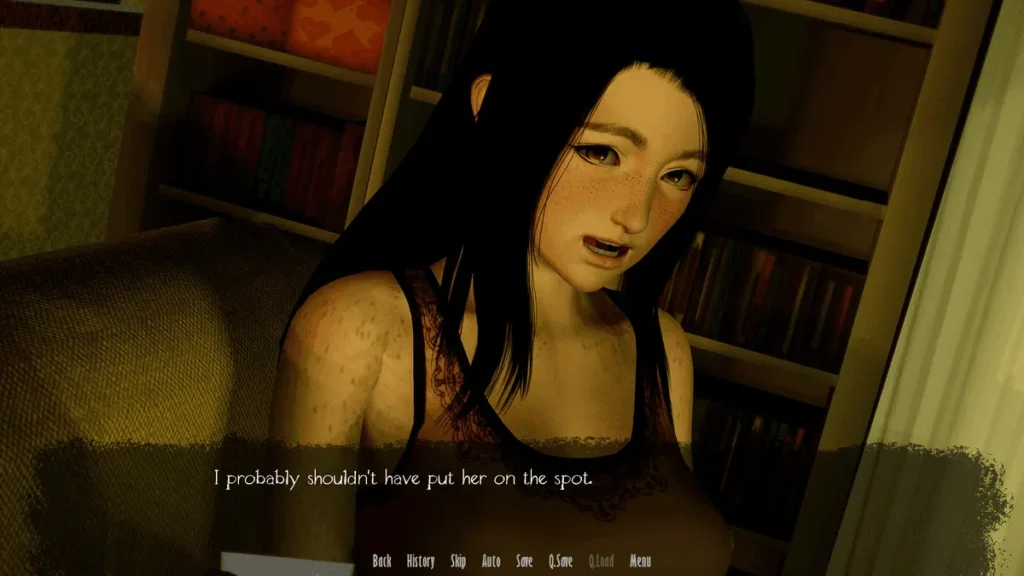


Now & Then review
Master storylines, character relationships, and unlockable content in this narrative-driven experience
Now & Then is a narrative-driven interactive experience that follows multiple character storylines with branching paths and relationship mechanics. Players navigate complex decision trees that impact character relationships, unlock special scenes, and determine story outcomes. This guide covers essential gameplay mechanics, character relationship systems, unlockable content, and strategic tips to maximize your experience. Whether you’re starting fresh or replaying for different outcomes, understanding the game’s core systems helps you access all available content and appreciate the depth of storytelling.
Understanding Game Mechanics and Progression Systems
Let’s be honest: diving into a complex narrative game can be equal parts thrilling and confusing. 😅 You’re presented with beautiful characters and gripping drama, but then you hit a choice and think, “Wait… what does this actually do?” If you’ve ever wondered how your decisions in Now & Then truly ripple through the story, you’re in the right place. Understanding the Now & Then game mechanics is the key to moving from a passive viewer to the master of your own cinematic experience. This isn’t just about clicking through dialogue; it’s about shaping lives, hearts, and destinies through a beautifully interconnected system of stats and saves.
Buckle up, because we’re going deep into the systems that make this visual novel tick. By the end of this guide, you’ll know exactly how to cultivate relationships, navigate painful conflicts, and access every scene the game has to offer. 🎮
How Relationship Stats and Love Mechanics Work
At its emotional core, Now & Then is about connection. But behind the poignant moments and whispered conversations lies a precise, numerical heart. The relationship stats system is the invisible framework that determines your story’s direction. Think of it less like a scoreboard and more like a living, breathing emotional landscape that changes with every word you choose.
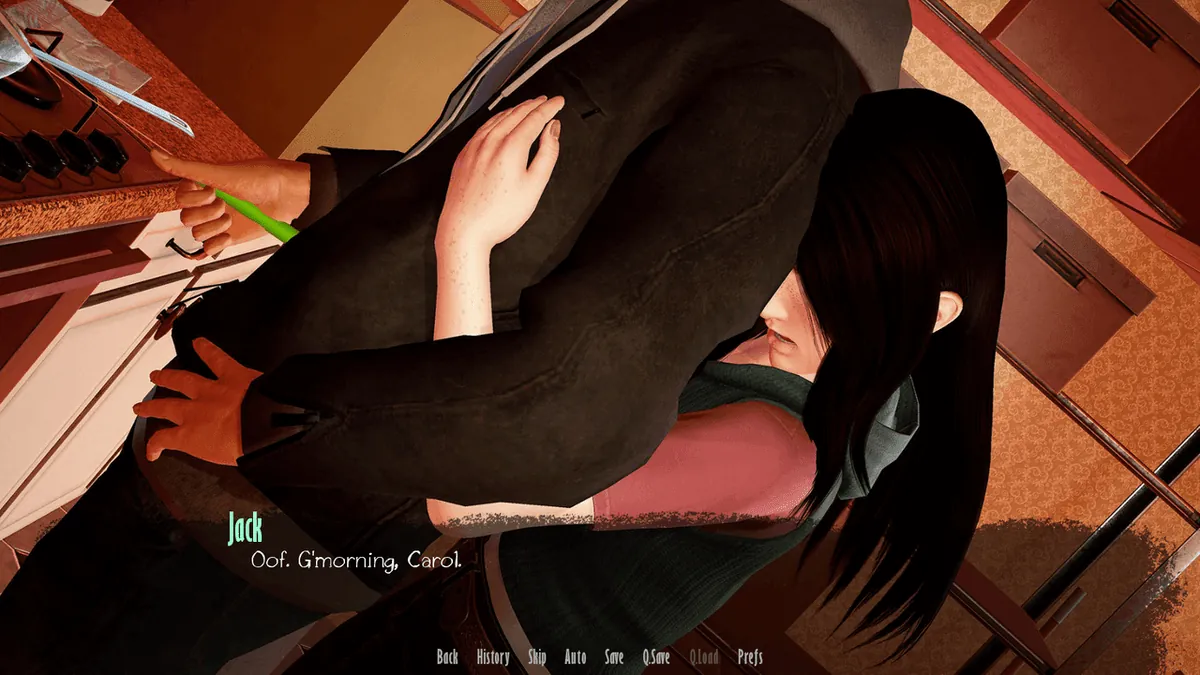
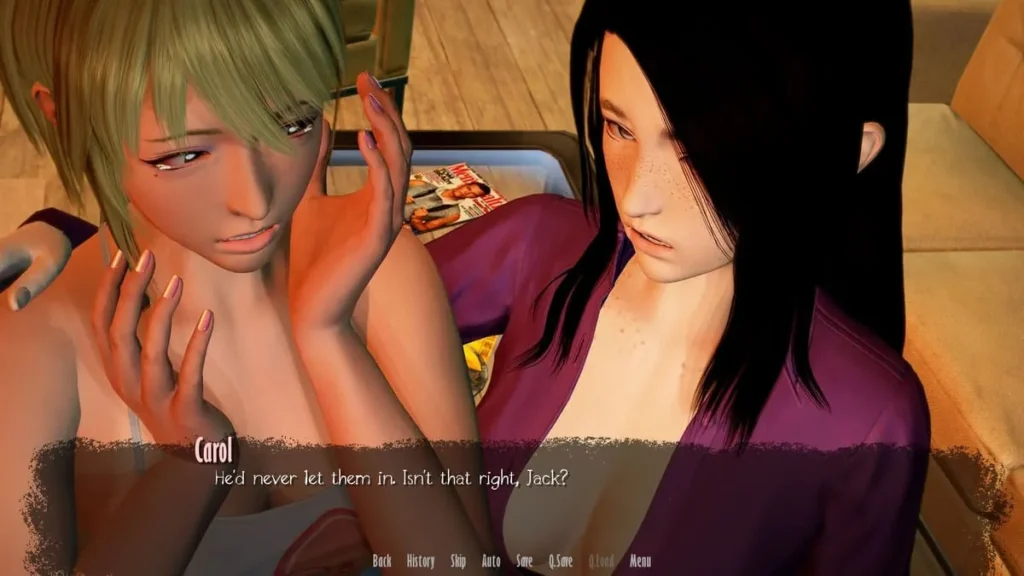
Here’s the golden rule: your attention is a finite resource. The game brilliantly employs a “teeter-totter” effect in its love conflict tracking. Pouring your affection into one character often means pulling it away from another. I learned this the hard way during my first playthrough. I was charmed by Carol’s vibrant energy and consistently chose options that made her smile. What I didn’t immediately realize was that each of those sweet moments with Carol was often subtly cooling my connection with Naomi, who values different approaches. The game doesn’t just give you +1 Love with Carol; it frequently gives you -1 Love with Naomi in the same breath. This creates authentic, painful, and thrilling dramatic tension.
These stats aren’t just for show. They act as gates and guides throughout the narrative. A high enough relationship level with a character will unlock new, more intimate dialogue options later on. Conversely, letting a stat fall too low might lock you out of their personal story arc or make certain conflict resolutions impossible. The love conflict tracking is constant, with the game remembering every slight and every kindness. This makes every interaction feel weighted and meaningful.
To visualize this push-and-pull, let’s look at a classic early-game example. Imagine a scene where both Naomi and Carol are present, and you must decide how to handle a delicate situation. Your approach directly feeds the relationship stats system.
| Your Choice of Approach | Effect on Naomi’s Relationship | Effect on Carol’s Relationship | Narrative Implication |
|---|---|---|---|
| A Direct, Logical Method | +1 Love (Appreciates clarity) | -1 Love (Finds it cold) | Aligns with Naomi’s values but distances Carol. |
| A Compassionate, Emotional Method | -1 Love (Sees as inefficient) | +1 Love (Values the empathy) | Warms Carol’s heart but frustrates Naomi. |
| A Neutral or Joking Deflection | No Change (Mildly puzzled) | No Change (Finds it amusing) | Keeps the peace but doesn’t deepen either bond. |
This table isn’t just theoretical—it’s the essence of the Now & Then game mechanics. You are constantly engaging in character path decisions, whether you see the numbers or not. There’s rarely a “perfect” choice that makes everyone happy, which is what makes the drama so compelling and replayable. You’re not just picking what to say; you’re deciding who to become close to, and, by extension, who to drift away from.
Save-Dependent Features and Scene Unlocking
This is arguably the most crucial and unique aspect of the Now & Then game mechanics: its save-dependent scenes. Unlike games where you can jump back to any chapter and try a different choice to instantly see a new outcome, Now & Then ties specific content directly to your save file’s history. Let me explain why this is a masterpiece of narrative design, even if it feels demanding at first. 😤
Many of the game’s most impactful scenes—especially the various endings and key romantic moments—are not simple “branch toggles.” They are conclusions calculated from the sum total of your decisions. The game checks the relationship values in your current save file at specific story junctions. Therefore, to see Carol’s most intimate scene, you need a save file where you’ve consistently favored her throughout the story, not just from the last chapter.
This makes how to unlock scenes Now & Then a question of strategy and dedication. There are two primary types of content:
- Scenes Unlocked for Replay: Some minor variations or extra dialogues can be viewed from the game’s scene gallery once you’ve encountered them. Think of these as “memory fragments.”
- Scenes Requiring Fresh Playthroughs: The major milestones—confessions, break-ups, specific endings—require you to commit to a path from early on and carry that save all the way through. You can’t just re-play Chapter 5 with different stats; you need a new game seeded with those stats from Chapter 1.
💡 My Personal Strategy Tip: Early on, create multiple “foundation” save files. After the initial chapters, once the core character path decisions are taking shape, save them as “Carol_Focus,” “Naomi_Focus,” “Balanced_Path,” etc. This lets you jump back to these pivotal forks without restarting from absolute zero every time.
This system respects the weight of your choices. It makes every playthrough a unique, cohesive journey rather than a collection of sampled scenes. The payoff is immense: finally reaching that long-desired scene after hours of careful nurturing feels like a real achievement.
Now, I know what some of you are thinking: “That sounds like a lot of work!” And you’re right. The developers have heard this feedback. It has been confirmed that the upcoming final Director’s Cut version of the game will include an “Unlock All” feature for the gallery. This will allow completionists to view all cinematic content without the rigorous replay requirements, though it will naturally separate that viewing from the personal journey of your save file.
Q: Can I just have one save file and re-load from old chapters to see different scenes?
A: For major story arcs and endings, no. The game checks your cumulative relationship stats from the current save state. To see a character’s ending, you need a save where you’ve consistently built that relationship from the start. Minor scene variations might be accessible via chapter replay.
Q: How do I know if a scene is “save-dependent”?
A: As a rule, if it’s a major climax, confession, or ending, it is. The game is designed so that these pivotal moments feel earned through your sustained choices, not just your last decision.
Q: What’s the most efficient way to see all the content?
A: Plan dedicated playthroughs. Focus exclusively on one character’s path per save file, making choices that boost their stats at the expense of others. Use multiple save slots at key early-game branches to minimize total replay time.
Navigating Branching Choices and Their Consequences
The branching choices gameplay in Now & Then is a delicate dance. It’s not about finding a “winning” path but about discovering the story that resonates with you. Every dialogue option, every action, is a thread you pull in the vast tapestry of the narrative. The game is always watching, always tracking. 🕵️♀️
Your early character path decisions cast a long shadow. A flippant remark in Chapter 2 might be referenced with hurt feelings in Chapter 6. Choosing to support one character in an argument might build a foundation of trust that allows for a vulnerable conversation much later. This is the magic of active decision tracking. The game doesn’t forget.
Let’s talk about consequence. The branching choices gameplay often presents you with decisions that have no “right” answer, only different shades of emotional truth. You might have to choose between:
* Upholding a promise to one character or breaking it to help another in immediate need.
* Seeking pragmatic truth or protecting someone’s fragile feelings.
* Pursuing your own desire or sacrificing it for the group’s stability.
Each of these choices will adjust underlying stats, often in ways that aren’t immediately apparent. This is where the love conflict tracking system shines. It translates your moral and personal dilemmas into concrete narrative divergence. A path might not “close” immediately because of one choice, but the cumulative effect of several choices will eventually lead you to vastly different story shores.
My advice? Embrace the imperfection. Your first playthrough should be authentic. Choose what you feel is right in the moment, and live with the beautiful, sometimes heartbreaking, consequences. That playthrough is your story. Then, for replay, you can be more strategic, using your knowledge of the relationship stats system to guide the narrative toward an outcome you wish to explore.
Mastering the Now & Then game mechanics—from the intimate relationship stats system to the grand architecture of its branching choices gameplay—transforms your experience. You move from being swept along by the story to being its architect. You understand the cost of a smile and the value of a withheld word. It’s a game that rewards emotional intelligence, patience, and curiosity. So manage those saves, weigh your words carefully, and dive back in. A new path, a new connection, and a new unforgettable scene are waiting to be discovered. ✨
Now & Then offers a rich interactive experience with interconnected systems that reward careful attention to relationship mechanics and strategic decision-making. Understanding how relationship stats function, how branching choices create lasting consequences, and what conditions unlock special content allows you to fully appreciate the game’s narrative depth. Whether you’re pursuing specific character paths, hunting for unlockable scenes, or preparing for the upcoming Director’s Cut, mastering these systems enhances your gameplay. The game’s complexity in tracking decisions and their ripple effects creates meaningful replay value, encouraging players to explore different relationship outcomes and discover hidden content. As the final Director’s Cut continues development with additional renders, animations, and scenes, now is an excellent time to experience the complete current version and prepare for the enhanced features coming soon.