Play Projekt : Passion
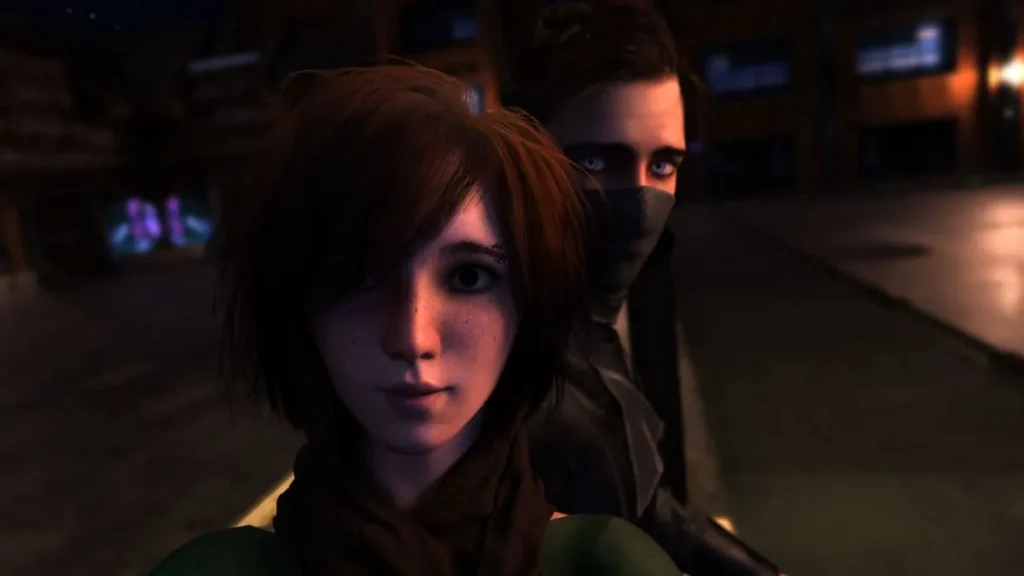
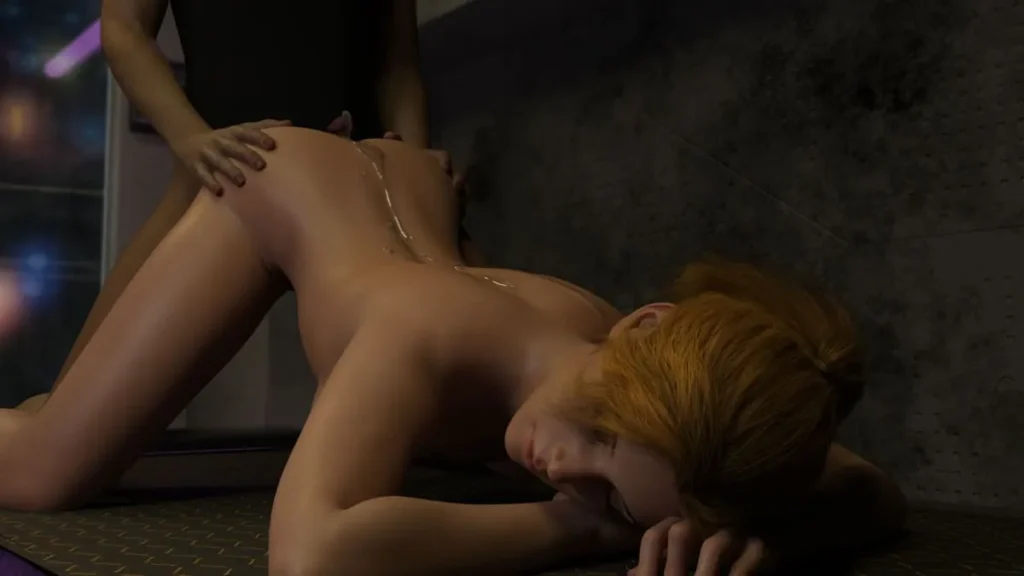
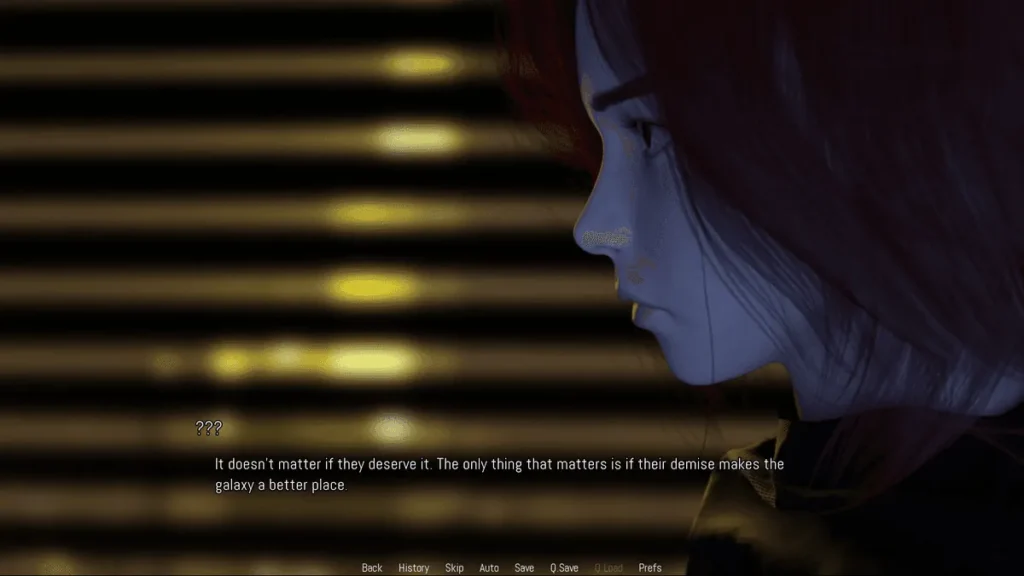
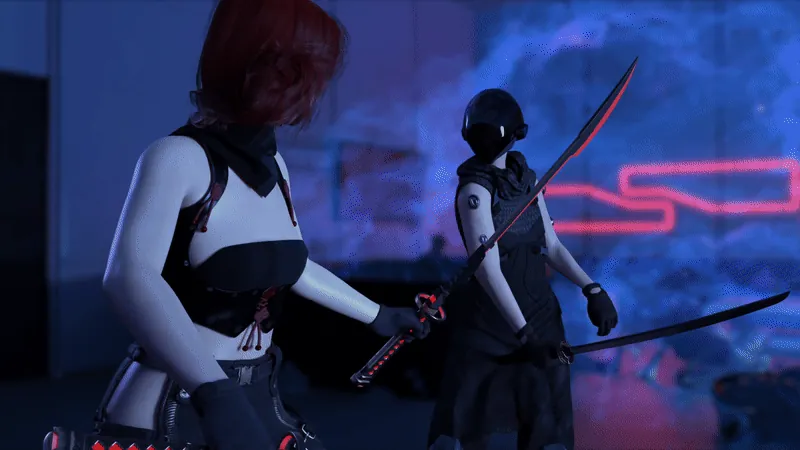
Projekt : Passion Screenshots
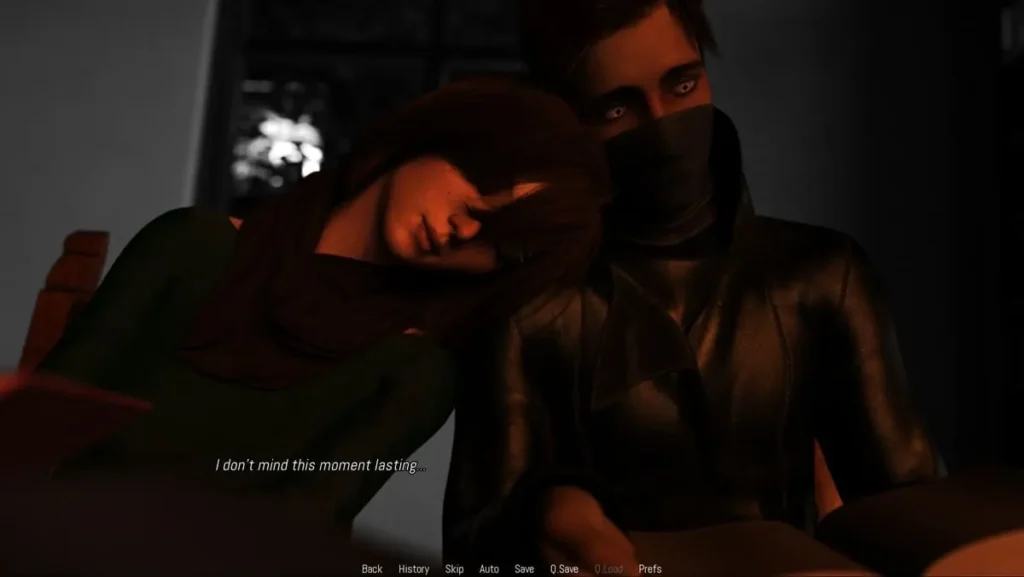
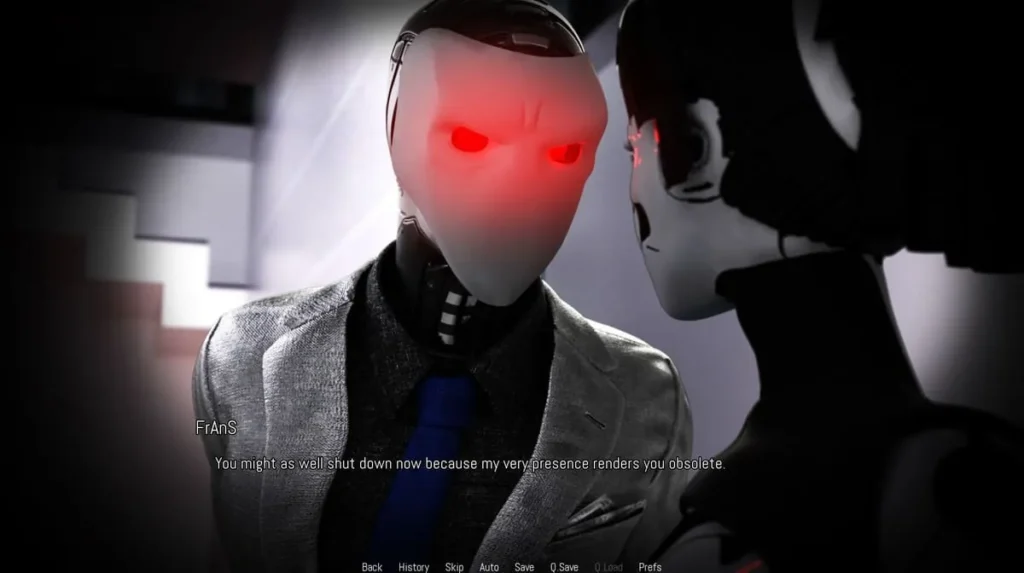
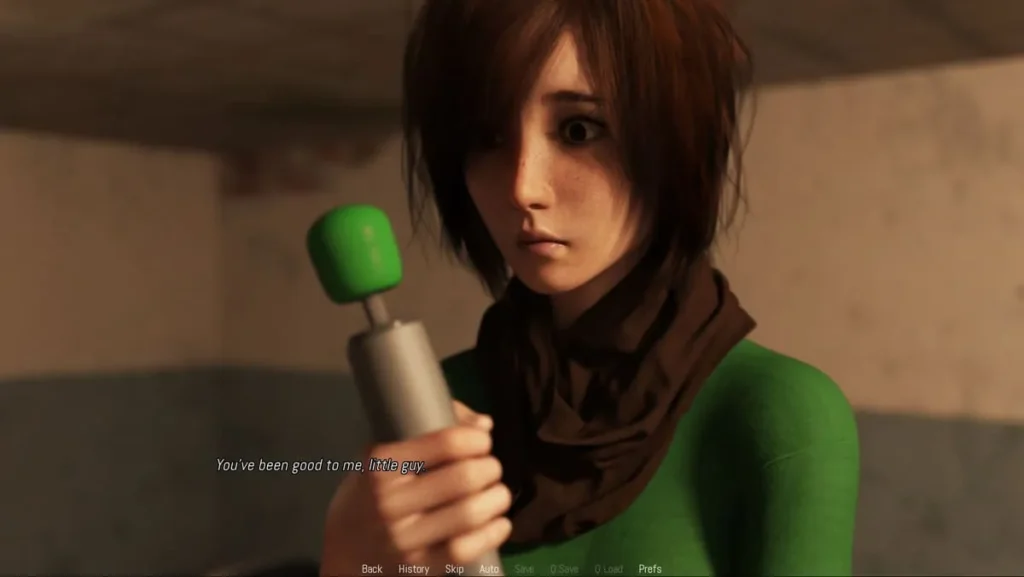


Projekt : Passion review
A comprehensive guide to the futuristic adult visual novel with cyberpunk aesthetics
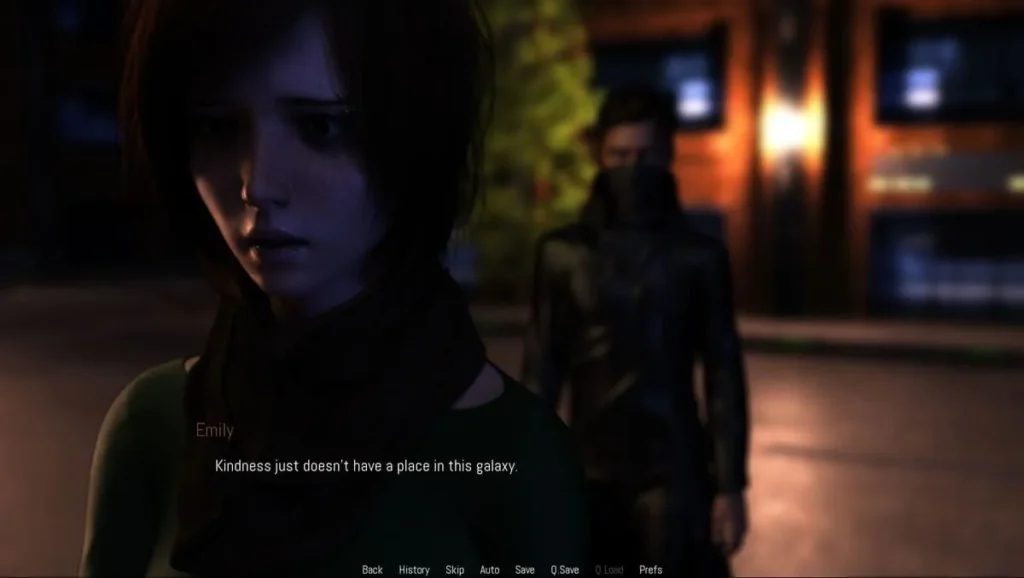
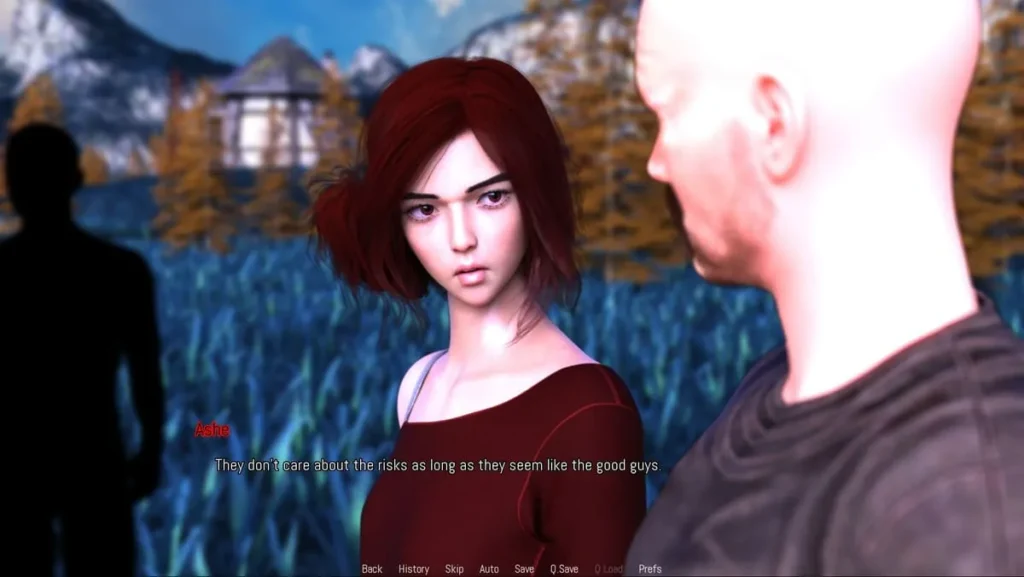
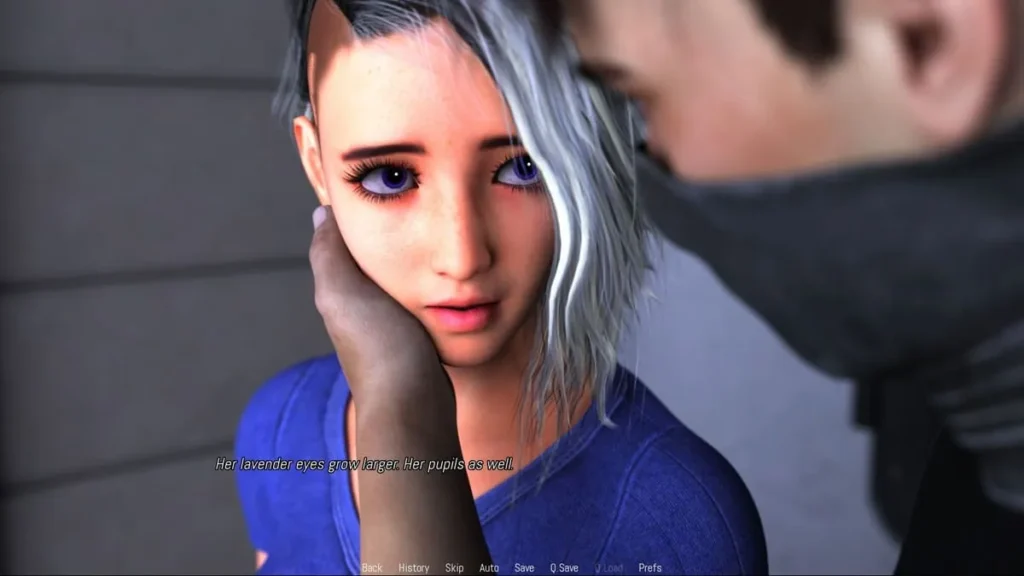
Projekt: Passion stands out as a futuristic adult visual novel that combines compelling storytelling with immersive cyberpunk aesthetics. Developed by Classy Lemon, this game has garnered attention for its balance of comedy, drama, and character-driven narrative set in a sprawling galactic universe. Whether you’re interested in the gameplay mechanics, character relationships, or the overall narrative experience, this guide explores what makes Projekt: Passion a notable entry in the visual novel genre. The game offers players meaningful dialogue choices, animated cutscenes, and voice acting that bring its world to life.
Gameplay Mechanics and Story Experience
What Makes the Gameplay Stand Out
Let me be honest with you: when I first heard about Projekt Passion gameplay, I expected yet another visual novel where you click through walls of text and occasionally pick a response that barely matters. Boy, was I wrong.
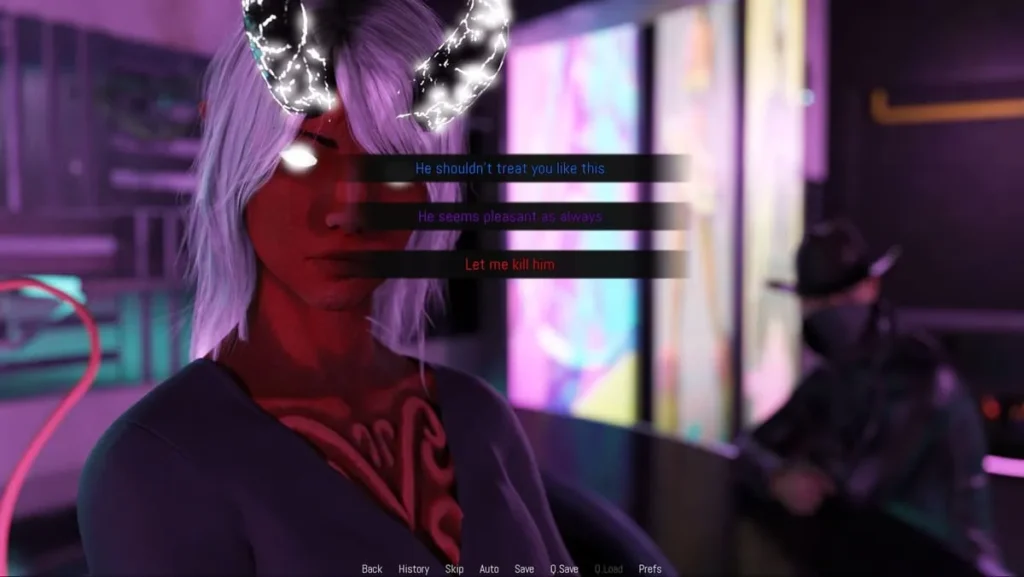
What sets this game apart is how the visual novel dialogue choices actually shape your character’s personality in meaningful ways. You’re not just picking dialogue options to unlock romance paths or avoid bad endings. Every choice influences your protag’s persona, which in turn affects how other characters perceive and react to you throughout the story.
The system tracks three core personality traits: Diplomatic, Assertive, and Analytical. Depending on your choices, doors open or close in ways that feel authentic rather than arbitrary.
Here’s what makes the gameplay loop genuinely addictive:
- Choice-driven personality system that adapts to your play style
- Branching dialogue trees with visible consequences you can track
- Decision timers during key moments that ramp up tension
- Story affinity meters showing your alignment with different factions
The cyberpunk story experience is woven directly into the mechanics. When you’re interrogating a suspect in the neon-lit underbelly of a space station, your choice to intimidate or negotiate isn’t just about getting information — it determines whether you build a reputation as a hardened investigator or a silver-tongued diplomat later in the campaign. 🚀
I remember my first playthrough vividly. I went in thinking I’d just romance everyone and see what happens. But by the end of Season 1, I’d accidentally locked myself out of the hacker underground questline because I’d been too aggressive in earlier conversations. The game remembered. It didn’t cheat. That level of consistency is rare in this genre.
The interface deserves a shoutout too. The dialogue wheel is intuitive, and the game highlights options that align with your current personality tendencies, making it easier to stay consistent if that’s your goal. You can also view a log of past conversations, which is a lifesaver when you step away for a few days and need to remember what happened.
Story Structure and Narrative Choices
The narrative framework of Projekt : Passion is refreshingly ambitious. Set in a post-Earth galaxy where humanity has scattered across star systems after the home planet became uninhabitable, the story follows your character — an investigator dealing with the disappearance of their partner following a high-profile assassination attempt.
This isn’t your typical visual novel setup where the plot is a backdrop for romance. The mystery is genuinely compelling, and the cyberpunk story experience is enhanced by worldbuilding that feels lived-in rather than just aesthetic window dressing. The game balances gritty investigation sequences with lighter, character-driven moments that prevent the tone from becoming too heavy.
The visual novel dialogue choices come into play constantly. During investigations, you can:
- Examine crime scenes with varying levels of thoroughness
- Interview witnesses using different interrogation styles
- Analyze evidence through technological or intuitive approaches
- Pursue leads that prioritize speed over accuracy or vice versa
Each of these decisions feeds back into the narrative, creating a web of cause and effect that makes subsequent playthroughs feel fresh. I played through Season 1 three times, and each run revealed new scenes, character interactions, and plot twists I’d missed previously. 🎯
The story structure uses a clever episodic format. Each “chapter” within a season functions like an episode of a prestige TV series — self-contained enough to have its own arc, but connected to a larger serialized mystery. This makes the game incredibly easy to pick up and put down, though I’ll warn you: the cliffhangers at the end of each chapter are brutal.
One thing that surprised me was how well the game handles tonal shifts. You’ll be laughing at a character’s dark humor one moment, then sitting in silence during an emotional reveal the next. The writing earns these transitions rather than forcing them. The character relationships Projekt Passion builds are the reason for this — you genuinely care about the people involved, so the dramatic moments land.
Regarding Projekt Passion Season 1 vs Season 2, the evolution is significant. Season 1 sets up the world and the central mystery, introducing the core cast and establishing the stakes. Season 2, meanwhile, deepens everything. The narrative becomes more complex, character arcs mature, and the choices you made in Season 1 carry forward in ways that reward attentive players. Some relationships that were background details in Season 1 become central plot points in Season 2.
Character Development and Relationship System
If you’re coming here for the romance options visual novel aspect, you’re in for a treat — but maybe not the kind you expect. The relationship system in Projekt : Passion is nuanced and rewards investment rather than just picking the flirtiest dialogue options.
The game offers romance paths with:
| Character Type | Examples | Key Traits |
|---|---|---|
| Human | Your partner, fellow investigators | Emotional depth, relatable struggles |
| Alien | Exotic species from frontier worlds | Unique cultural perspectives, distinct physiologies |
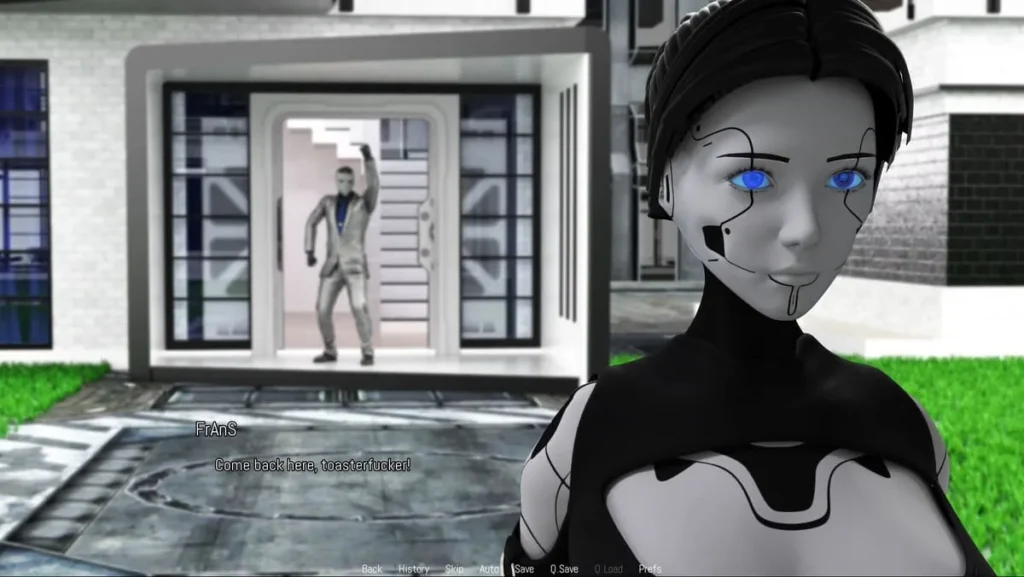
| Android | Synthetic beings with emerging sentience | Philosophical questions, loyalty vs. programming |
Each romance path has its own pacing and requirements. Some characters open up quickly but have trust issues later. Others are cold at first but reveal vulnerability over time. The game doesn’t hand you easy rewards — you have to earn intimacy through consistent, thoughtful choices.
The character relationships Projekt Passion builds are multifaceted. You’re not just managing a romance meter. The game tracks:
- Trust levels that affect information sharing
- Emotional affinity that influences personal conversations
- Professional respect that impacts mission cooperation
- Romantic interest that develops naturally over time
This layered approach means you can have genuinely different relationships with the same character across playthroughs. I’ve had playthroughs where a character who was my best friend in one run became a rival in another, all because of how I handled key conversations.
The animated cutscenes voice acting elevate these relationship moments to another level. When a character delivers an emotional confession or a tense confrontation unfolds, the animated sequences and voice performances add weight that text alone couldn’t achieve. The voice cast is solid, with several performances that genuinely surprised me — particularly from characters who start as comic relief but reveal deeper layers later. 🎬
One of my favorite moments came during a quiet scene between my character and an android companion. The animated cutscene showed subtle microexpressions on the character’s face, and the voice actor’s delivery during the scene shifted from guarded to vulnerable. It was a small moment, but it wouldn’t have worked half as well without the production values backing it up.
The balance between comedy and drama is another strength. The game knows when to let you breathe with lighter interactions — sharing drinks at a spaceport bar, trading banter during transit sequences — and when to tighten the screws with high-stakes confrontations. This pacing makes the emotional beats hit harder because you’ve had time to connect with the characters outside of crisis mode.
Regarding replay value, the relationship system is a major reason to revisit the game. Different personality types react differently to your approach, so a diplomatic character will have different relationship options available than an assertive one. The game also supports friendship paths if romance isn’t your focus, with deep platonic bonds that are just as well-written as the romantic ones.
Now, let’s talk about how the seasons compare in terms of relationships. In Projekt Passion Season 1 vs Season 2, Season 1 is about establishing connections — you’re meeting people, figuring out who you trust, and laying groundwork. Season 2 is where those connections either pay off or break down. Characters you ignored in Season 1 might approach you in Season 2 with problems you could have helped with earlier. Choices about loyalty and honesty echo across seasons in ways that feel earned rather than punitive.
| Feature | Season 1 | Season 2 |
|---|---|---|
| Story Focus | Introduces the mystery and core cast | Deepens existing arcs and adds new layers |
| Relationship Building | Establishing connections and first impressions | Testing loyalty and deepening bonds |
| Dialogue Complexity | Branching with moderate consequences | Multi-layered with significant carryover |
| Animated Cutscenes | Key story moments animated | Extended sequences with more character focus |
| Romance Progression | Initial stages and getting to know characters | Deeper commitments and relationship tests |
| New Characters | Core cast introduction | Additional characters that expand the world |
| Replay Incentives | Different personality paths | Season 1 carryover creates new outcomes |
The animated cutscenes voice acting deserve another mention here. Season 2 notably expands on this front, with more scenes receiving full animation and the voice actors settling into their characters after the first season. The production quality bump between seasons is noticeable and appreciated.
Frequently Asked Questions
Do my dialogue choices really change the story in meaningful ways?
Absolutely. The visual novel dialogue choices you make determine not just which characters you build relationships with, but also which story paths become available. Major plot points can shift based on your decisions, and the game tracks your reputation across multiple dimensions. It’s not a linear experience with a few branching paths — it’s a genuine web of possibilities.
Can I pursue multiple romance options in one playthrough?
The game allows for casual connections with multiple characters early on, but eventually you’ll need to commit if you want to progress a serious romance. Some characters are more open to non-exclusive arrangements than others, so your mileage may vary based on who you’re pursuing. The romance options visual novel is designed to feel realistic rather than gamified.
Is the game worth playing multiple times for different outcomes?
Yes, and I can’t emphasize this enough. The Projekt Passion gameplay changes significantly based on your personality alignment and relationship choices. Scenes you access in one playthrough may be completely invisible in another. I’ve discovered entire subplots I never knew existed on my first two runs through Season 1.
How do Season 1 and Season 2 compare in terms of length and content?
Projekt Passion Season 1 vs Season 2 shows clear evolution. Season 1 is roughly 15-20 hours of content with a focus on worldbuilding and character introduction. Season 2 runs 20-25 hours, with more complex narrative branches, additional animated cutscenes, and deeper relationship mechanics. Both seasons are substantial, but Season 2 feels more confident in its storytelling.
Does the game have meaningful friendship paths, or is it all about romance?
The game supports both. Friendship paths are fully developed with their own emotional arcs and key moments. Some of the best scenes in the game happen between characters who are just friends, supporting each other through difficult situations. The character relationships Projekt Passion system treats all bonds with the same care, whether romantic or platonic.
How important are the animated cutscenes and voice acting?
These elements significantly enhance immersion. The animated cutscenes voice acting bring key moments to life in ways that text alone can’t match. Emotional confessions, tense standoffs, and dramatic revelations all hit harder with full presentation. That said, the writing is strong enough that even without these elements, the story would still be compelling.
Can I play Season 2 without completing Season 1?
Technically yes, but you’ll miss context and character development. Season 2 assumes you’ve played Season 1 and makes references to events and relationships that won’t land without that foundation. The carryover of choices between seasons is also a major selling point, so you’ll get a diminished experience by skipping the first season.
Final Thoughts on Gameplay and Story
The cyberpunk story experience in Projekt : Passion is one of the most satisfying I’ve encountered in the visual novel space. It takes the genre conventions you expect — dialogue choices, romance options, branching narratives — and executes them with a level of craft that elevates the entire experience.
Whether you’re here for the mystery, the relationships, or the worldbuilding, the game delivers on all fronts. The Projekt Passion gameplay mechanics are thoughtfully designed to support the narrative rather than getting in its way, and the visual novel dialogue choices offer genuine agency without overwhelming you with options.
If you’re on the fence, start with Season 1 and let the story pull you in. I suspect you’ll find yourself immediately planning a second playthrough before the credits even finish rolling on your first. 🎮
Projekt: Passion delivers a comprehensive visual novel experience that appeals to players seeking meaningful storytelling alongside engaging gameplay mechanics. The game’s strength lies in its character-driven narrative, immersive cyberpunk setting, and the freedom it grants players through dialogue choices and relationship options. With both Season 1 and Season 2 available, players can experience an extended narrative arc set in a richly detailed galactic universe. The combination of animated cutscenes, voice acting, and balanced comedy-drama storytelling creates an engaging experience that extends beyond typical genre conventions. Whether you’re drawn to the complex character relationships, the mystery surrounding Earth’s abandonment, or simply the quality of the narrative experience, Projekt: Passion offers substantial content worth exploring. For those interested in visual novels with depth and emotional resonance, this title represents a notable choice in the current gaming landscape.