
Star Periphery
Play Star Periphery
Star Periphery Screenshots










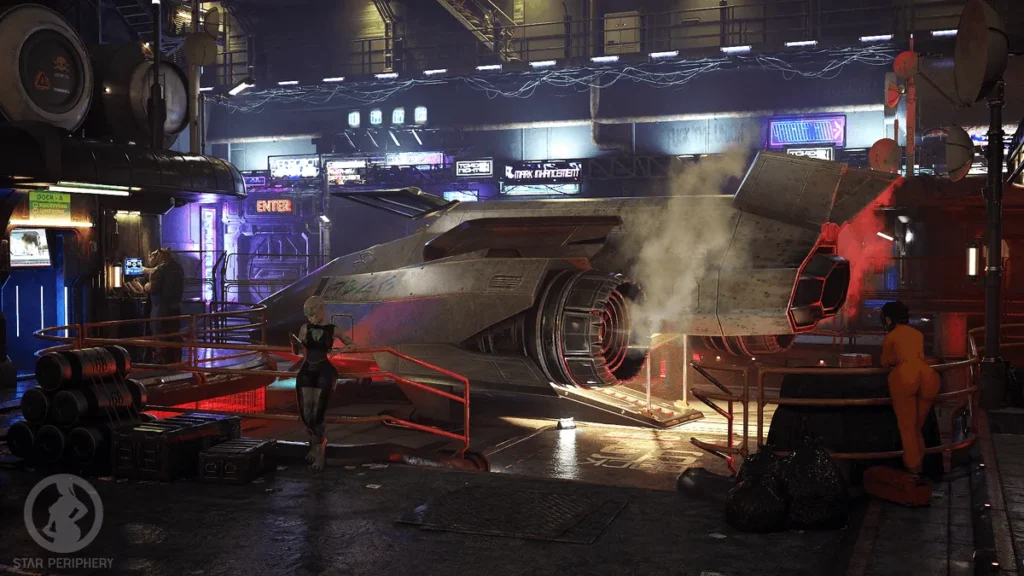
Star Periphery review
Master the mechanics of this mature space strategy experience
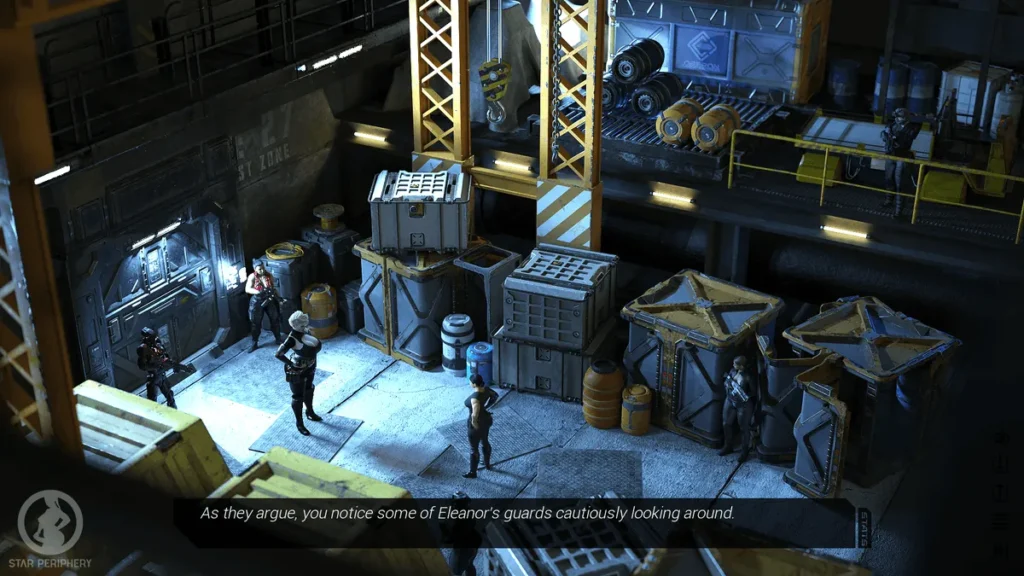
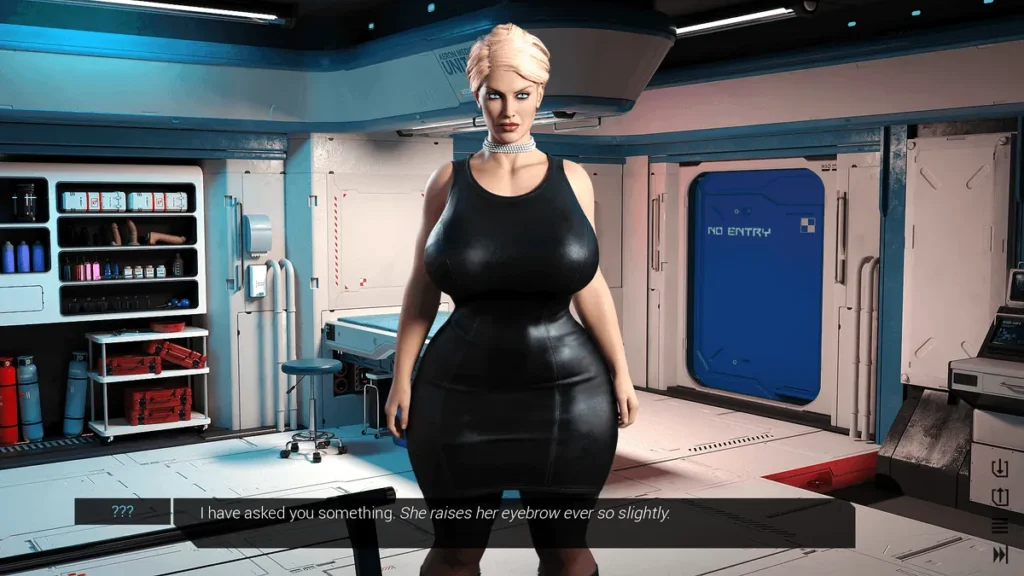
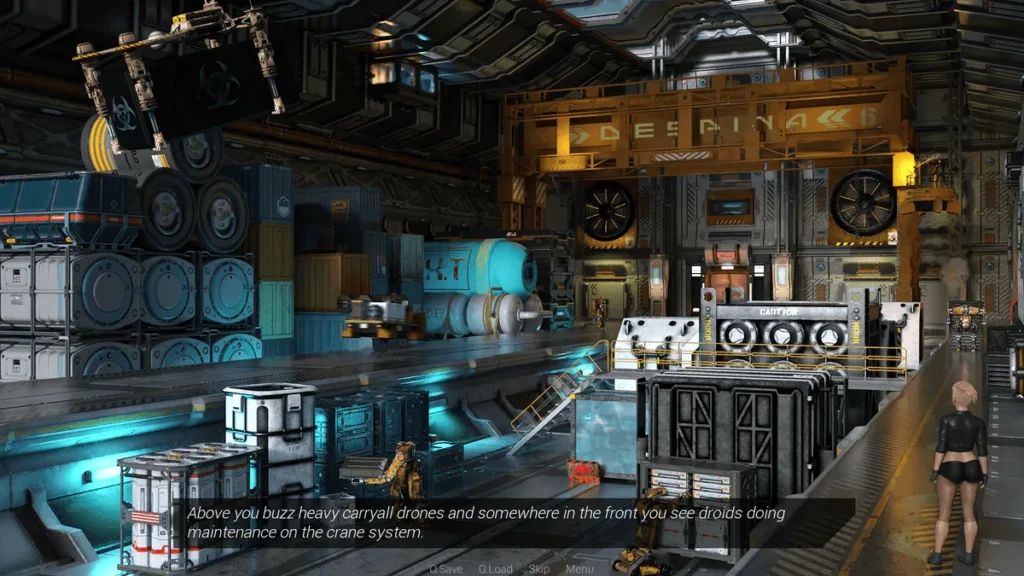
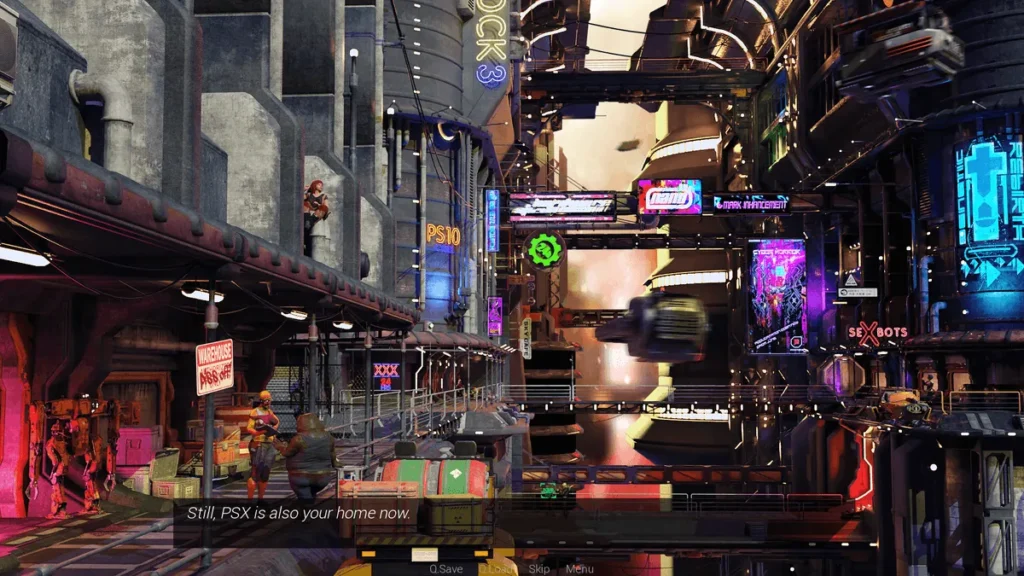
Star Periphery represents a unique approach to space strategy gaming by integrating mature thematic elements with complex command systems. This game redefines what mature gaming can achieve by weaving multi-layered strategic mechanics into an immersive space environment. Whether you’re a seasoned strategy game enthusiast or exploring mature gaming experiences, understanding Star Periphery’s core systems, gameplay mechanics, and strategic depth will enhance your experience. This guide explores the essential aspects of Star Periphery, from basic mechanics to advanced strategies that will help you navigate this distinctive gaming landscape.
Understanding Star Periphery’s Core Mechanics and Gameplay Systems
Ever found yourself playing a space strategy title where your supposedly elite admiral throws a fleet into a nebula because you missed a single checkbox? 😅 I certainly have. You spend hours meticulously planning an economy, only for the actual warfare to feel like herding cats with a laser pointer. If that sounds familiar, then prepare for a revelation. Star Periphery isn’t just another entry in the genre; it’s a deliberate, thoughtful evolution designed for players who crave consequence, depth, and control.
This Star Periphery strategy guide dives deep into the gears and cogs that make this universe tick. Forget simplistic rock-paper-scissors combat and forgettable factions. Here, your decisions ripple across star systems, your commanders have their own agendas, and victory is measured in more than just conquered planets. We’re going to break down the very DNA of this experience, giving you the tools to not just play, but to truly command.
What Makes Star Periphery Different in Space Strategy Gaming?
At first glance, you might see sprawling star maps, resource nodes, and fleet icons—familiar sights for any strategy veteran. But within minutes of your first playthrough, a profound difference becomes clear. Star Periphery trades the frenetic, click-heavy pace of many contemporaries for a methodical, decision-heavy rhythm. It’s less about rapid-fire micro-management and more about setting intelligent directives and watching complex systems interact. This is the heart of the mature strategy gaming experience it offers: a game that trusts you with complexity and rewards patience and foresight.
The game’s unique positioning comes from its foundational philosophy: integration. Nothing exists in a vacuum. Your economic policy affects your military morale. Your diplomatic insults can trigger black market opportunities. A scientific breakthrough might cripple an enemy’s economy you didn’t even know you were targeting. This creates a living, breathing galaxy that reacts to your presence, rather than a static puzzle waiting to be solved.
To get started on mastering this, let’s overview the key systems you’ll be engaging with from the command chair:
- The Triune Resource Model: Move beyond simple “Credits” and “Ore.” Star Periphery operates on Influence, Material, and Data. Influence drives diplomacy and internal politics. Material is the physical backbone of your empire—ships, stations, and bulk goods. Data is the currency of technology, espionage, and long-range scanning. Balancing these three is your first major strategic hurdle.
- Factional Integrity: Your empire is not a monolith. Various internal factions—Militarists, Technocrats, Guild Traders—have their own power and demands. Ignoring them doesn’t just mean missed bonuses; it can lead to crippling strikes, military coups, or secessions. You must govern, not just command.
- The Unknown Layer: This is a brilliant twist. Large swathes of the map are obscured not by “fog of war,” but by sensor ghosts, stellar interference, and rumor. Intel is a precious commodity. That “derelict resource colony” might be a trap, or it might house a game-changing archeotech relic. Exploration is a high-stakes gamble.
- Narrative-Driven Objectives: Instead of a generic “conquer 50% of planets” victory condition, your goals emerge from your faction’s backstory and the evolving galactic situation. You might be tasked with uncovering a ancestral homeland, surviving a prophesied invasion, or arbitrating a ceasefire between two AI remnants. The why of your conquest is as important as the how.
Understanding these interconnected systems is the first step in learning how to play Star Periphery effectively. It’s about seeing the galaxy as a dynamic web, not a collection of isolated targets.
Multi-Layered Command Systems Explained
This is where Star Periphery gameplay mechanics truly sing and where it definitively parts ways with simpler games. You don’t just command units; you orchestrate layers of responsibility through a sophisticated multi-layered command interface. Think of it as the difference between playing every instrument in an orchestra yourself and being a conductor who guides brilliant, autonomous sections.
At the top, you have the Strategic Layer. This is your galaxy map, where you manage macro-economics, faction relations, research trees, and issue broad directives to your fleets and sectors: “Patrol this border,” “Focus research on propulsion,” “Prioritize trade with the Kepler Consortium.”
Beneath that lies the Operational Layer. This is where your appointed leaders—admirals, governors, spy masters—execute your will. But they aren’t perfect tools. An admiral with “Aggressive” traits might interpret a “Patrol” directive as “Engage any hostile contact, regardless of odds.” A corrupt governor might skim resources. You set the mission parameters, but your personnel bring their own competencies and flaws to the table. This layer abstracts the minute-to-minute actions, saving you from tedium while injecting compelling personality-driven variables.
Finally, for key moments, you can drill down into the Tactical Layer. This isn’t constant unit micro. Instead, it’s activated for pivotal battles, critical diplomatic meetings, or complex salvage operations. Here, you take direct control for a short period, making precise decisions that can overturn operational-level outcomes. It’s the equivalent of a general taking personal command of the front line during a decisive siege.
How these layers interact is the core of mastery. Let me give you a real example from one of my playthroughs:
I had a frontier system, “Verge,” constantly harassed by pirate raids. On the Strategic Layer, I set its status to “High Alert” and assigned a patrol fleet. On the Operational Layer, my assigned admiral, a cautious logistician named Vance, performed slow, methodical sweeps. The raids decreased but didn’t stop. I dug into the Tactical Layer during one raid and discovered the pirates were using a micro-jump point hidden in an asteroid field—something Vance’s broad-sweep protocols missed. With this Data, I issued a new, precise Strategic directive: “Scan Asteroid Field X-7.” Vance’s fleet then found and blockaded the point, solving the problem permanently. I provided the crucial insight (Tactical), my officer executed the sustained action (Operational), and the galactic result was a secure border (Strategic).
To help visualize the flow of command and information, here’s a breakdown:
| Command Layer | Your Primary Input | System Output / Result | Player Mindset |
|---|---|---|---|
| Strategic (Galaxy) | Broad directives, policy, long-term goals | Empire-wide trends, faction reactions, resource flow | Philosopher-King / CEO |
| Operational (Fleet/Sector) | Mission assignment, leader selection, resource allocation | Localized outcomes, leader reports (which may be flawed), incident generation | General / Director |
| Tactical (Instant) | Direct, moment-to-moment control during key events | Resolution of a specific battle, negotiation, or crisis | Captain / Negotiator |
This elegant multi-layered command interface means you’re always engaged at the appropriate level of detail. You’re freed from mundane micro while retaining absolute agency over the pivotal moments that define your legacy. Learning to dance between these layers is what this Star Periphery game mechanics explained section is all about.
Navigating the Mature Thematic Framework
“Mature” in gaming is often a lazy shorthand for graphical violence or crude content. In Star Periphery, maturity is a thematic and mechanical framework. It refers to narratives of moral ambiguity, lasting consequences, and strategic problems that lack clear “good” solutions. This isn’t about shock value; it’s about emotional and intellectual weight. This mature strategy gaming experience demands you think not just as a strategist, but as a leader responsible for the fate of billions.
The game’s themes are woven directly into its space strategy command systems. A decision to use a planet-killing weapon isn’t just a flashy animation; it permanently alters the galactic political landscape, turning allies against you and making your own populations fearful. A “cheap” victory by betraying a trusting ally will follow you for the rest of the game, closing off diplomatic avenues and making new partners inherently distrustful. The game remembers.
Here’s a personal insight: I once faced a rebellion in a key manufacturing system. The quick military solution was obvious: crush it. But the Operational Layer report from my governor showed the rebellion was fueled by famine due to my earlier decision to redirect food shipments to the front lines. The “strategic” military option would have won the battle but lost the system’s loyalty forever. I chose the harder path: admitting fault on the Strategic Layer, diverting precious resources to address the famine, and weathering the temporary military setback. The system became my most loyal, but the cost was a lost warfront. There was no “win-win.” This is the essence of Star Periphery gameplay mechanics—your logistics, your morality, and your battlefield tactics are inseparable.
This thematic depth enhances strategic choice exponentially. When you enter a diplomatic meeting, you’re not just picking from a list of pre-scripted options. You’re considering: What does this faction historically value? What have my previous actions signaled? Can their leader be trusted, based on their known traits? The narrative is the strategy.
The balance is impeccable. You’re never bogged down in endless cutscenes. Instead, the mature themes emerge from the gameplay systems themselves. A tooltip about low “Crew Cohesion” in a fleet tells a story of long deployments and poor conditions. A “Black Market Prosperity” modifier on a space station hints at a thriving underworld your tax collectors can’t touch. The galaxy feels authentically worn, complex, and alive.
Ultimately, mastering Star Periphery is about embracing this holistic approach. It’s understanding that your multi-layered command interface is your tool for navigating a galaxy rich with consequence. It’s recognizing that the mature strategy gaming experience isn’t a barrier, but the very source of the game’s unparalleled strategic richness. This Star Periphery strategy guide aims to equip you with that perspective. Forget about simply building the biggest fleet. Instead, focus on building the most resilient empire—one that can withstand not just enemy fleets, but the weight of its own decisions, the complexity of its internal politics, and the unforgiving reality of a cold, vast universe. Your command chair awaits. 🚀
Star Periphery stands as an innovative entry in the strategy gaming landscape, successfully merging mature thematic elements with sophisticated gameplay mechanics. The game’s multi-layered command systems create depth that appeals to serious strategy enthusiasts, while its distinctive approach to mature gaming demonstrates that thematic maturity can enhance rather than overshadow strategic gameplay. Understanding these core mechanics, from command interface navigation to thematic integration, provides the foundation for mastering the game. As you explore Star Periphery, remember that the complexity of its systems rewards thoughtful engagement and strategic planning. Whether you’re drawn to the strategic depth or the mature gaming experience, Star Periphery offers a compelling blend that sets it apart in the space strategy genre. Begin your journey by mastering these foundational concepts, and you’ll unlock the full potential of this unique gaming experience.