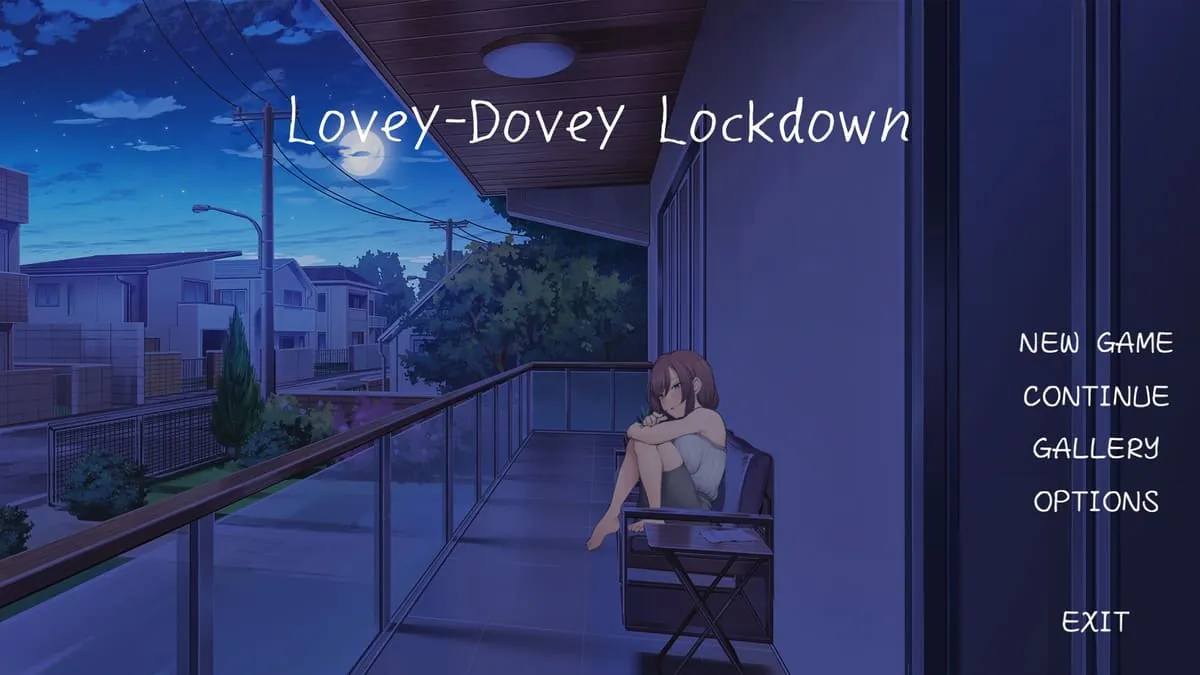
Summer’s Gone
Play Summer’s Gone
Summer’s Gone Screenshots















Summer’s Gone review
Exploring the Story, Gameplay, and Emotional Depth of Summer’s Gone
Summer’s Gone is a narrative-driven visual novel that immerses players in a university setting filled with emotional storytelling and complex character development. This game combines interactive gameplay with themes of personal growth, healing, and relationships, offering multiple story paths shaped by player choices. Whether you’re drawn to its rich narrative or the slow-burn romance elements, Summer’s Gone provides a compelling experience for those who appreciate deep, story-rich games.
Understanding Summer’s Gone: Story and Themes
Let’s be honest, we’ve all played those stories where you’re thrown into a new school, instantly the most popular person on campus, and have five romantic interests by Tuesday. 🎭 It’s fun, but it rarely feels real. If you’re like me, craving a narrative with weight, patience, and emotional truth, then you’ve likely heard the buzz about Summer’s Gone. This isn’t your typical visual novel; it’s a deep, sometimes uncomfortable, dive into the human psyche.
The Summer’s Gone story asks more from you as a player. It’s less about winning hearts quickly and more about witnessing—and guiding—a profound journey of mending a broken soul. It’s a masterclass in visual novel emotional storytelling, and today, we’re going to unpack exactly why it resonates so deeply.
What is Summer’s Gone About? 🎬
At its core, Summer’s Gone is a story about the ghosts we carry. You step into the shoes of the protagonist, a young man whose name you can choose, as he begrudgingly returns to university after a years-long hiatus. He isn’t just a slacker or a rebel; he is profoundly wounded, carrying a trauma so heavy it has alienated him from the world. His eyes are hollow, his demeanor is cold, and social interaction is a battlefield. The catalyst for this state is the mysterious disappearance of a girl named Summer, an event that shattered his life.
The game’s brilliance lies in its setting. The university campus isn’t just a backdrop for romance; it’s a forced return to normalcy, a pressure cooker for his unresolved pain. Here, he encounters a cast of complex characters, each with their own layers and stories. From Bella, the fiercely independent and initially hostile classmate, to the gentle and insightful Nancy, these relationships aren’t instant connections. They are gradual, often awkward, and built on tentative steps rather than grand gestures.
The first time I played, I sat through a long, silent walk with a character, the only sound being the ambient noise of the campus. It felt awkward, just like real life. That’s when I knew this game was different.
This is the foundation of the Summer’s Gone story: a slow, meticulous reconstruction of a person. The plot isn’t about chasing a villain or solving a mystery (though elements of Summer’s disappearance linger); it’s about watching someone learn to feel, trust, and live again, one painful, beautiful moment at a time.
Key Themes: Growth, Healing, and Relationships 💔➡️❤️
The Summer’s Gone themes are not subtle, but they are handled with remarkable sensitivity. This is where the game’s heart truly beats.
- The Long Road to Healing: This is the paramount theme. The game refuses to offer quick fixes. The protagonist’s emotional scarring is visible in every interaction. Healing is depicted as a non-linear process with setbacks, moments of withdrawal, and small, hard-won victories. The narrative validates that recovery from deep trauma is messy and slow, a theme rarely explored with such honesty in the genre.
- The Weight of Empathy and Connection: Relationships in Summer’s Gone are lifelines, but fragile ones. The game explores how genuine connection can begin to fill the void left by loss. It’s not about romance saving the day; it’s about human understanding acting as a balm. The character development in Summer’s Gone for the main cast is often tied to how they learn to navigate the protagonist’s walls, fostering a mutual growth that feels earned.
- Self-Discovery Through Interaction: Who is the protagonist without his grief? The game pushes him—and by extension, you—to rediscover interests, confront past failures, and build a new identity piece by piece. His journey back into academia and social circles becomes a metaphor for rebuilding a self.
These themes elevate it beyond a simple romance. It’s a thoughtful examination of mental health and resilience, making its emotional payoffs incredibly powerful. This careful, realistic approach is what firmly plants it in the category of exceptional slow-burn romance games. The romance, when it blossoms, feels like a reward for shared vulnerability, not a predetermined plot point.
How Player Choices Shape the Narrative 🧭
This is where Summer’s Gone transitions from a story you watch to a story you live. The Summer’s Gone narrative choices are its defining mechanical feature, creating a deeply personal experience.
Unlike games where choices simply give you a “nice” or “mean” dialogue option, choices here often reflect internal states: to engage or withdraw, to trust or deflect, to confront a memory or bury it again. A single decision in an early chapter can subtly alter character perceptions, locking or unlocking future dialogue branches and intimate moments much later. It’s a web of cause and effect.
For example, choosing to open up about your past to one character might make them more supportive in a future crisis, while choosing sarcasm might make another character write you off as a lost cause, closing their route entirely. The branching storylines in Summer’s Gone mean your playthrough is uniquely yours. You might foster a deep, therapeutic friendship with one character, a rivalry that turns to respect with another, or a tentative romantic connection that takes the entire season to confess.
This system demands attention and self-reflection. Are you guiding him to heal, or to hide? To connect, or to continue isolating? Your choices directly script his path to recovery.
To illustrate how deep this goes, let’s look at some critical junctions:
| Story Branch Point | Example Choice | Potential Narrative Consequence |
|---|---|---|
| Early Interaction with Bella | Stand your ground vs. De-escalate the conflict | Sets the entire tone for your relationship, potentially leading to a path of heated rivalry or one of grudging mutual understanding that can later develop into romance. |
| Conversations about the Past | Share a painful memory vs. Change the subject | Influences a character’s perception of your trustworthiness and openness. This can unlock special supportive scenes later or leave that relationship on a more superficial, polite level. |
| Academic & Social Commitment | Focus on studies vs. Accept a social invitation | Alters which character storylines you have time to develop, and can impact the protagonist’s own sense of purpose and progress in his personal recovery journey. |
This intricate design means the character development in Summer’s Gone is twofold: you watch the characters grow, and you actively participate in shaping the protagonist’s growth through your Summer’s Gone narrative choices. It’s this powerful synergy between story, theme, and player agency that makes the Summer’s Gone story so unforgettable. You’re not just picking a love interest; you’re architecting a healing process, making every moment of connection feel like a hard-earned triumph. 🏆
Summer’s Gone stands out as a deeply engaging visual novel that combines rich storytelling with meaningful player interaction. Its focus on emotional healing, complex relationships, and the impact of choices creates a unique gaming experience. Whether you enjoy immersive narratives or character-driven stories, Summer’s Gone offers a memorable journey worth exploring. Dive into the game to uncover its many secrets and shape your own path through its compelling world.