
Summertime Saga
Play Summertime Saga
Summertime Saga Screenshots











Summertime Saga review
Explore gameplay mechanics, storyline, and features of this popular interactive narrative experience
Summertime Saga has emerged as a flagship title in the interactive adult gaming industry, captivating players with its blend of narrative depth and engaging gameplay mechanics. This dating simulation game follows a protagonist navigating his final year of high school while managing part-time jobs, uncovering mysteries surrounding his father’s death, and building relationships with various townspeople. Available across multiple platforms including Windows, Mac, Linux, and Android, the game offers an immersive experience that extends beyond typical gaming expectations. With its richly detailed suburban setting and complex storyline involving themes of corruption, personal growth, and relationship dynamics, Summertime Saga has garnered significant attention from both players and the gaming industry. Whether you’re interested in understanding the game’s mechanics, exploring its narrative elements, or learning about its development, this comprehensive guide covers everything you need to know about this influential title.
Understanding Summertime Saga: Gameplay and Core Mechanics
Ever found yourself clicking through a visual novel, bored out of your mind because your choices don’t seem to matter? 🤔 You pick a flirty dialogue option, but the story railroads you down the same path anyway. It’s a common letdown. That’s exactly why I was so pleasantly stunned when I first dove into Summertime Saga. On the surface, it fits a familiar mold, but underneath, it’s a masterclass in player-driven, open-ended fun. This isn’t just a sequence of scenes; it’s a living, breathing suburban sandbox where every decision, from how you spend your time to how you earn your cash, genuinely shapes your journey. Let’s break down the magic behind this experience.
What Makes Summertime Saga Unique as a Dating Simulator
Forget what you think you know about the genre. While many titles offer a linear path with a few branching points, Summertime Saga throws you into a fully realized town and says, “Go live your life.” 🏡 The core premise is deceptively simple: you play as a young man navigating life after a family tragedy, juggling school, work, and a bustling social circle. But the dating simulator interactive storytelling here is woven into the very fabric of the world.
What truly sets it apart is the sheer density of its systems. It’s not just about wooing a diverse cast of characters—from the girl-next-door to more enigmatic town residents. It’s about integrating that pursuit into your daily routine. You can’t just spam dialogue options to win someone over. You need to be at the right place at the right time, often after completing certain tasks or increasing your skills. I remember trying to connect with one character, only to realize I needed a better job to afford the things she enjoyed. It forced me to engage with the whole game, not just one isolated storyline. This holistic approach is a hallmark of its brilliant interactive narrative game design.
The suburban setting isn’t just a backdrop; it’s the stage for all your adventures. Every location, from the cozy library and bustling pizza shop to the mysterious mansion on the hill, serves a purpose and is populated with characters who have their own schedules and lives. This creates an organic rhythm to the relationship building mechanics game. You might bump into someone at the beach in the afternoon or find them working a shift downtown in the evening. The world feels persistent, and your actions within it feel consequential.
Here are some of the key features that define this experience:
- Varied Job Types: From delivering pizza and working at the marina to more unconventional tasks, each job affects your wallet, skills, and who you meet.
- Deep Relationship Mechanics: Bonds are built through repeated interactions, gift-giving, completing requests, and making narrative choices that affect your standing.
- Multi-threaded Story Progression: The main mystery, personal character stories, and side quests all progress simultaneously based on your priorities and discoveries.
Interactive Storytelling and Player Choice Systems
This is where Summertime Saga truly shines. The narrative isn’t a book you read; it’s a garden you tend. 🌷 Every major and minor decision feeds into a complex player choice system narrative that avoids simple “good vs. evil” binaries. Instead, choices are often about priority, opportunity cost, and personal interest. Do you spend your evening studying to pass a crucial test, working an extra shift to buy a gift, or following a clue about your father’s past? The game rarely punishes you for these choices outright, but each one opens some doors while temporarily closing others.
The dating simulator interactive storytelling is deeply tied to this system. Pursuing a relationship is a series of deliberate choices. You choose who to talk to, what to say (with dialogue options that can significantly alter a character’s perception of you), and what actions to take. I once made a flippant remark to a character early on, not thinking much of it. Hours later, when I tried to advance her storyline, I was locked out until I found a way to properly apologize and rebuild that trust. The game remembers, and it makes your social navigation feel weighty and real.
Then there’s the glue that holds it all together: the Summertime Saga mystery storyline. The shadow of your father’s sudden death and the resulting financial ruin looms over everything. This isn’t a side plot; it’s the engine of the main quest. Investigating this mystery becomes your overarching goal, driving you to explore every corner of the town, interact with its powerful figures, and uncover secrets that many would prefer stay buried. This central thread provides a fantastic sense of purpose, seamlessly blending with the more personal romantic subplots. You’re not just dating for fun; you’re building connections that might help you solve a life-altering puzzle. 🕵️♂️
This sophisticated interactive narrative game design means there is no single “right” way to play. Your story becomes uniquely yours—a blend of the friendships you cultivate, the jobs you master, and the truth you ultimately uncover.
Managing Resources and Part-Time Employment
If the story and relationships are the heart of Summertime Saga, then its resource and job systems are the muscles and bones. You can’t be a charming investigator if you’re broke and unskilled! This is where the Summertime Saga employment system transforms from a simple money-making minigame into a core strategic pillar.
Money talks in this town. 💰 You need it for everything: bus fare to new areas, gifts to impress love interests, special items to unlock story progress, and even to pay off a daunting family debt. The game brilliantly ties financial pressure directly into its player choice system narrative. Early on, I was overwhelmed by the debt, focusing solely on grinding cash at the pizza shop. It was effective but monotonous. Then I discovered that different jobs not only pay differently but also introduce you to different characters and storylines. Taking a job at the marina opened up a whole new aquatic strand of the game I didn’t even know existed!
This is the genius of the Summertime Saga gameplay mechanics. The employment isn’t separate from the story; it’s a gateway to it. Each job has its own rhythm, mini-challenges, and narrative payoffs.
| Job / Activity | Primary Resource Earned | Key Benefit & Unlock |
|---|---|---|
| Pizza Delivery | Cash | Steady early income, unlocks parts of the town and a major character route. |
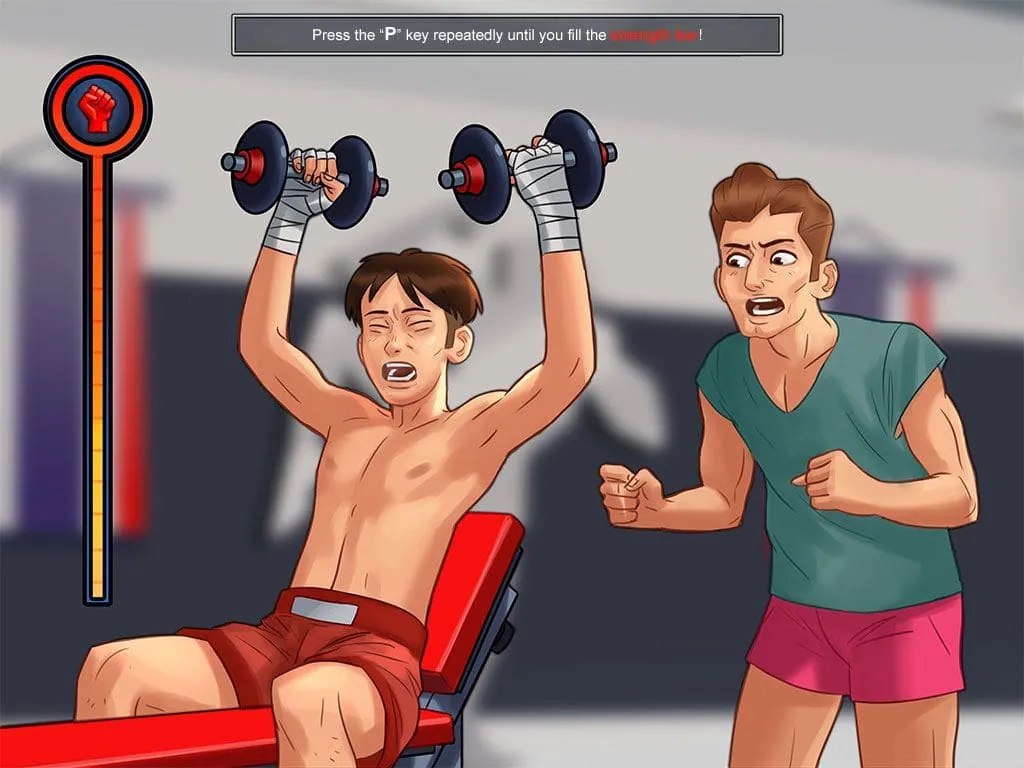
| Marina Work | Cash, Strength Skill | Access to boat, opens fishing and ocean-based story events. |
| Library Tutoring | Cash, Intelligence Skill | Raises your academic stats, crucial for passing school exams. |
| Farming (at Erik’s House) | Produce (can be sold or used) | Provides items for quests and cooking, a peaceful side activity. |
| Games at the Computer Café | Intelligence/Skill Items | Mini-games that can permanently increase your character’s abilities. |
Managing your daily energy and time is just as crucial as managing your wallet. Every action consumes time (advancing the clock from morning to night) and often energy. You might have the cash for that fancy dinner date, but if you’ve spent all your energy working a double shift, you’ll be too tired to go! This creates a constant, engaging loop of planning. Do you use your last bit of energy to study, ensuring you pass Mrs. Johnson’s test tomorrow, or do you swing by the park for a chance encounter? This layer of strategy elevates the relationship building mechanics game, making every connection feel earned.
The ongoing development of the title means these systems are continually refined. New updates often expand job opportunities, add new ways to interact with the economy, and deepen how resource management ties into both the central Summertime Saga mystery storyline and the personal arcs of the town’s residents. It’s a constantly evolving playground for your strategic and narrative choices.
Accessibility and Evolving Experience
A major part of Summertime Saga’s enduring popularity is how easy it is to jump into. The developers have prioritized wide accessibility, ensuring that whether you’re on a powerful PC or a mobile device during your commute, you can dive into this rich world. This cross-platform availability is a huge boon for its style of gameplay, which benefits from both longer, immersive sessions and shorter, goal-directed play periods.
The commitment to updates is also a core feature. The game has grown exponentially since its early versions, with tech updates, new story chapters, and expanded mechanics being added regularly. This isn’t a static product; it’s a living project. Each major patch feels like a content drop for a live-service game, offering new areas to explore, characters to meet, and wrinkles to its already complex Summertime Saga gameplay mechanics. For players, this means the journey never truly has to end. There’s always a reason to revisit old saves or start anew to see how new narrative threads weave into the tapestry you already know.
| Platform | Key Features & Accessibility | Best For |
|---|---|---|
| Windows | The primary development platform. Gets updates first, highest performance, and easiest file management for mods (community-created content). | Dedicated players who want the latest content and the most stable experience. |
| Mac | Fully supported native version. Offers the same core content and update path as the Windows version. | Mac users seeking a seamless, desktop-quality experience. |
| Linux | Officially supported version. Demonstrates the developer’s commitment to open-source platforms. | Linux enthusiasts who want to play without compatibility layers. |
| Android | A remarkably robust port. Touch controls are well-adapted, and the game’s episodic nature is perfect for on-the-go play. | Mobile gamers and those who prefer to play in shorter, more frequent sessions. |
In the end, the genius of Summertime Saga lies in how it synthesizes all these elements. The dating simulator interactive storytelling is empowered by a deep player choice system narrative. The Summertime Saga employment system feeds directly into both your social goals and the central Summertime Saga mystery storyline. Every mechanic, from the relationship building mechanics game to the daily time management, is designed to make you feel like an active citizen of its world, not just a passive observer. It’s a testament to thoughtful interactive narrative game design that respects the player’s intelligence and agency, offering a playground where your curiosity and choices are the ultimate keys to progress. So, save your game, pick a direction, and start shaping your own unique summer saga. 🚀
Summertime Saga stands as a remarkable achievement in interactive narrative gaming, combining engaging gameplay mechanics with a complex, multifaceted storyline that keeps players invested in the protagonist’s journey. From its intricate mystery surrounding the father’s death to its exploration of themes like corruption, personal growth, and relationship dynamics, the game offers depth that extends far beyond surface-level entertainment. The game’s availability across multiple platforms—Windows, Mac, Linux, and Android—ensures accessibility for a broad audience, while its ongoing development and regular updates demonstrate the developers’ commitment to continuous improvement. The game’s significant cultural impact on the adult gaming industry, evidenced by its ranking among the most-searched titles and its influence on crowdfunded interactive games, underscores its importance as a medium that legitimizes narrative-driven gaming experiences. Whether you’re drawn to the engaging storyline, the interactive choice system, or the richly developed characters and relationships, Summertime Saga delivers a comprehensive gaming experience that has earned its place as a flagship title in modern interactive entertainment.